Skip to content

Bag

Your bag is empty

Hawaiian symbols in our jewelry

Tap a symbol to see where it comes from and the pieces in our case that carry it. Some come from old Hawaiian life and story; others arrived later and are loved today as symbols of the islands.

The full guide has the history and sources.

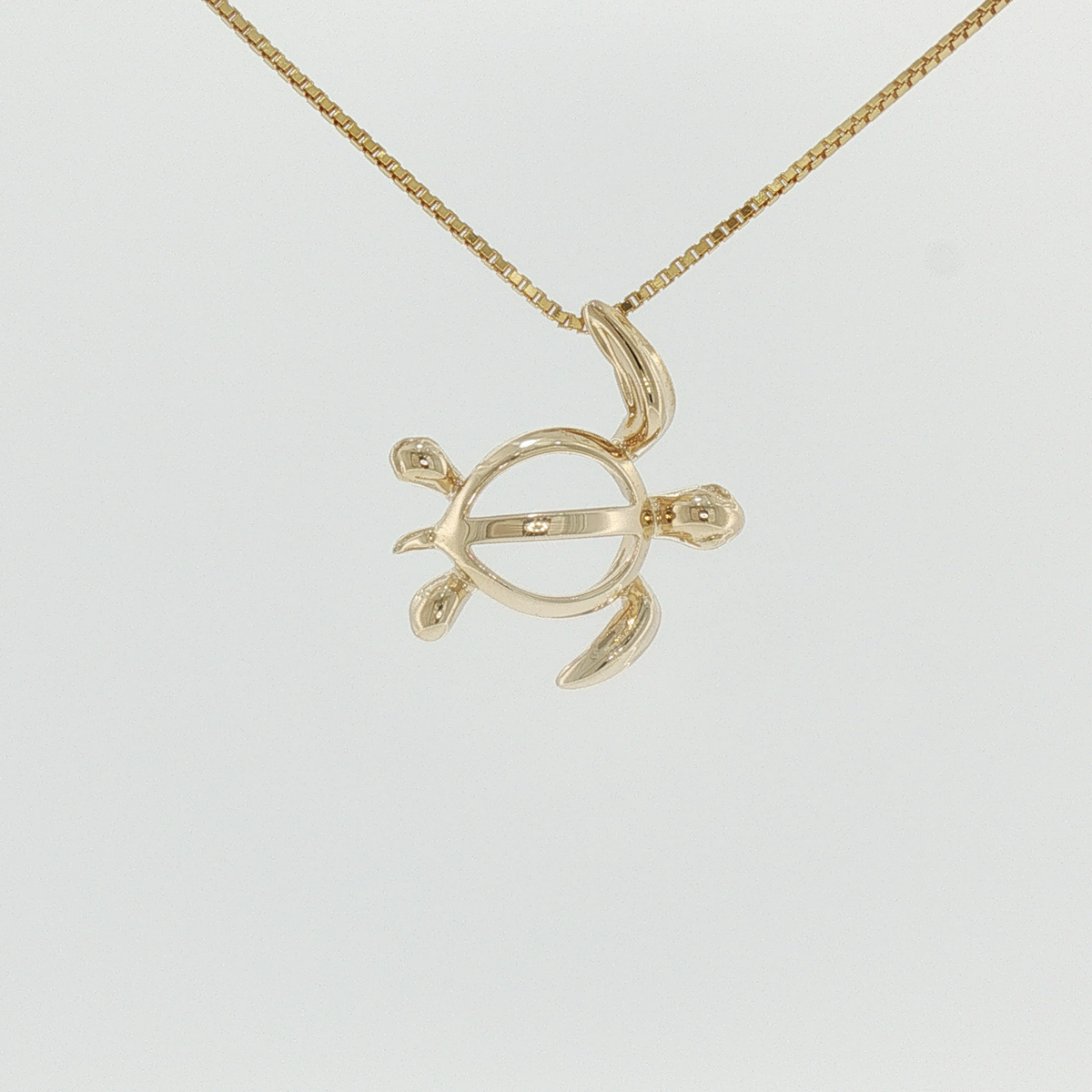
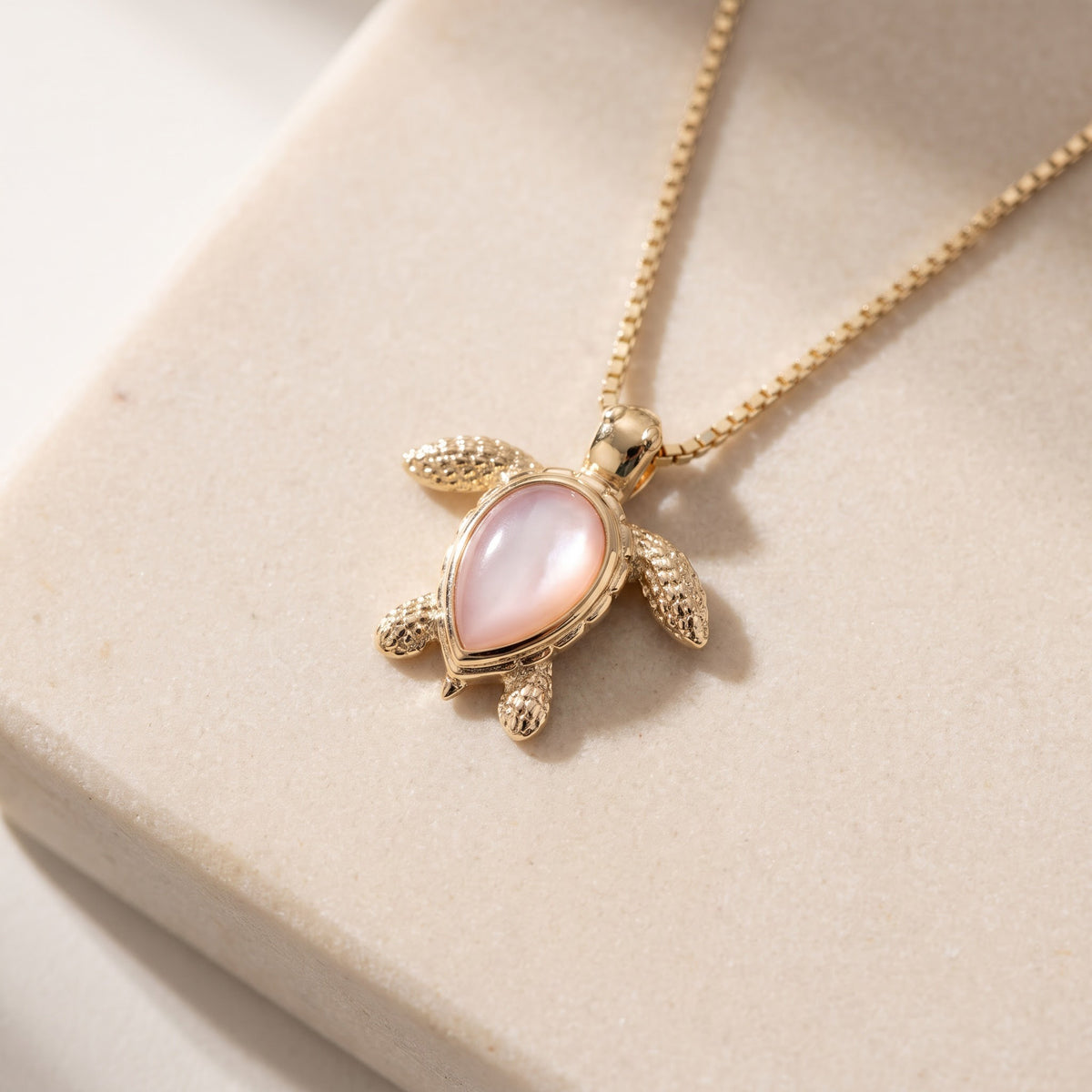
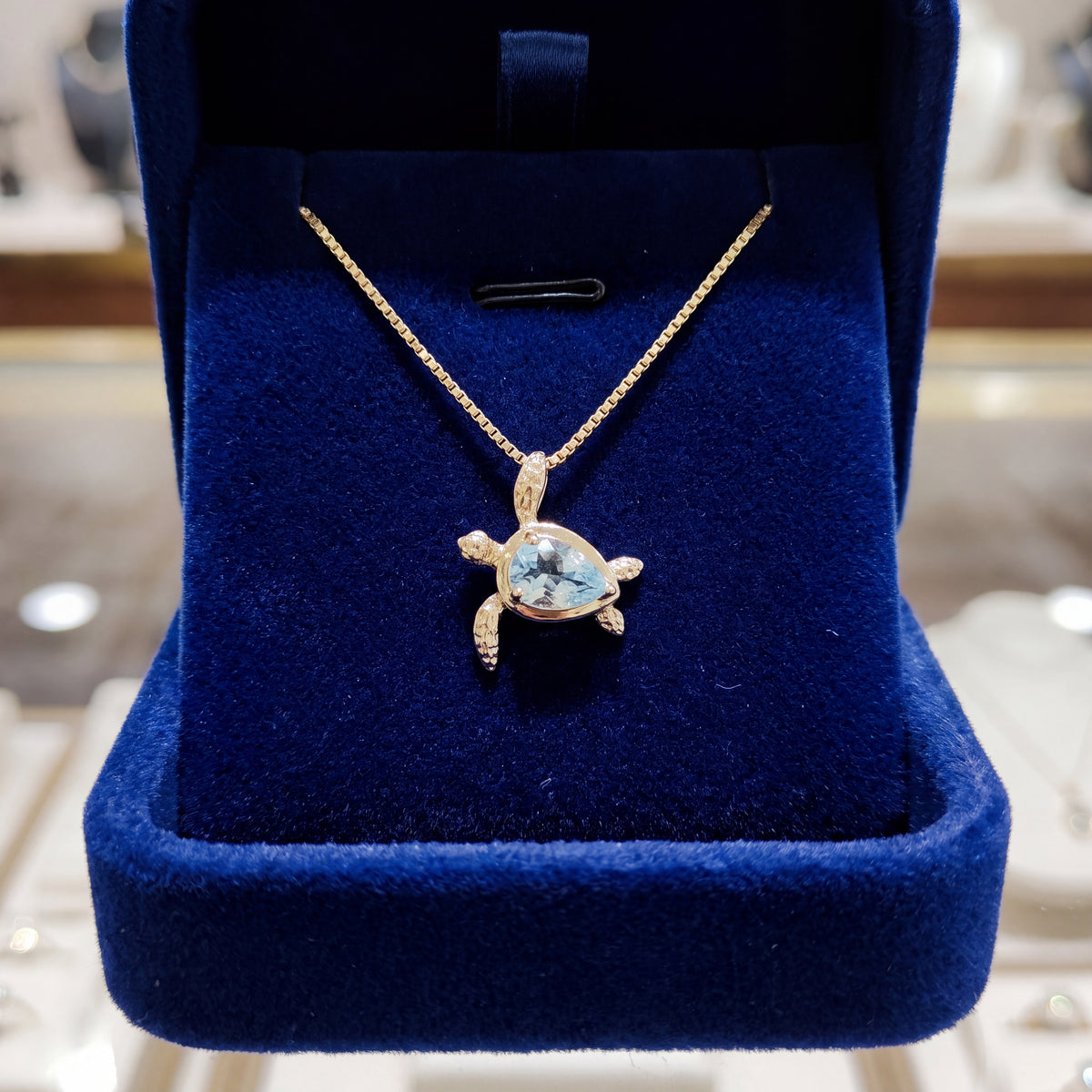
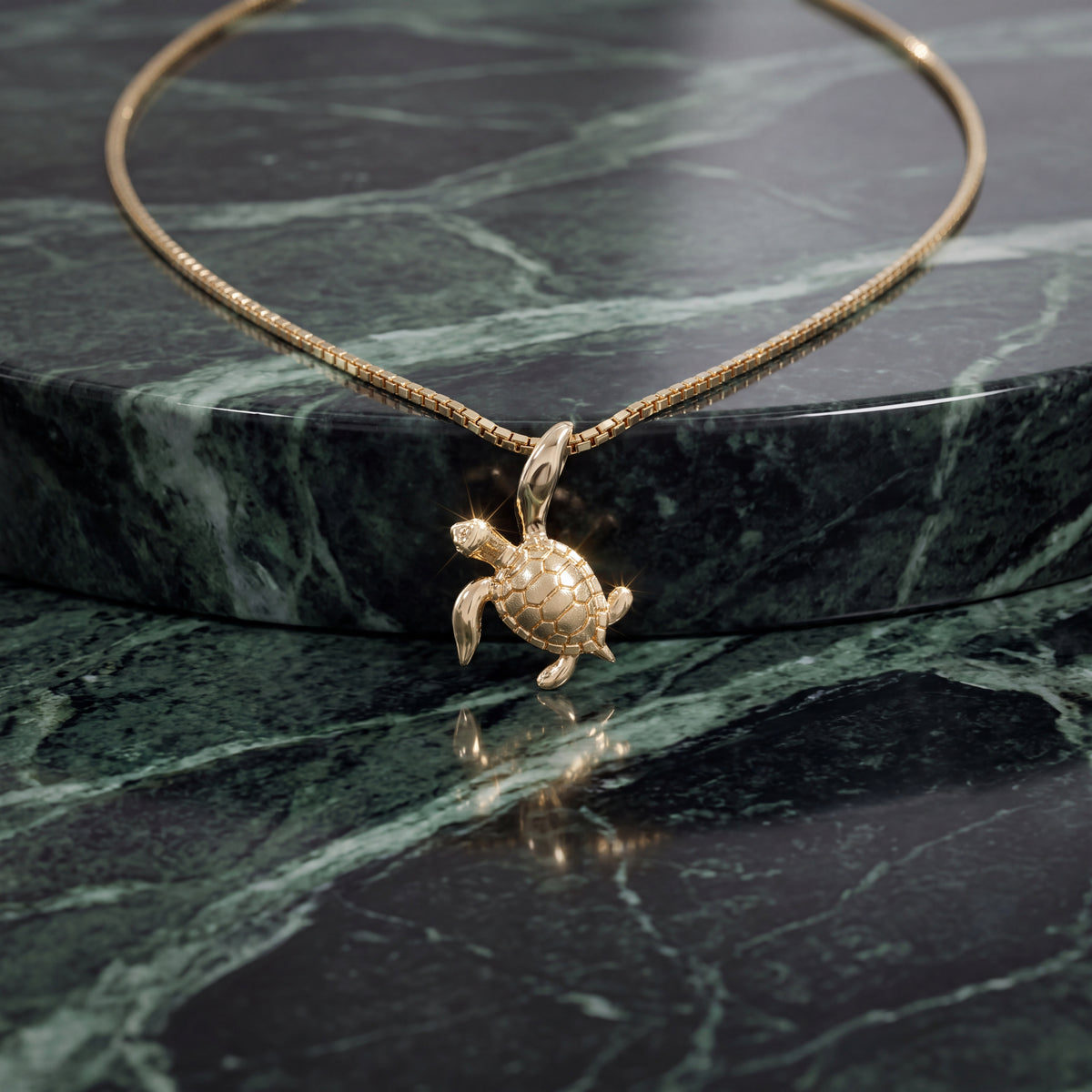
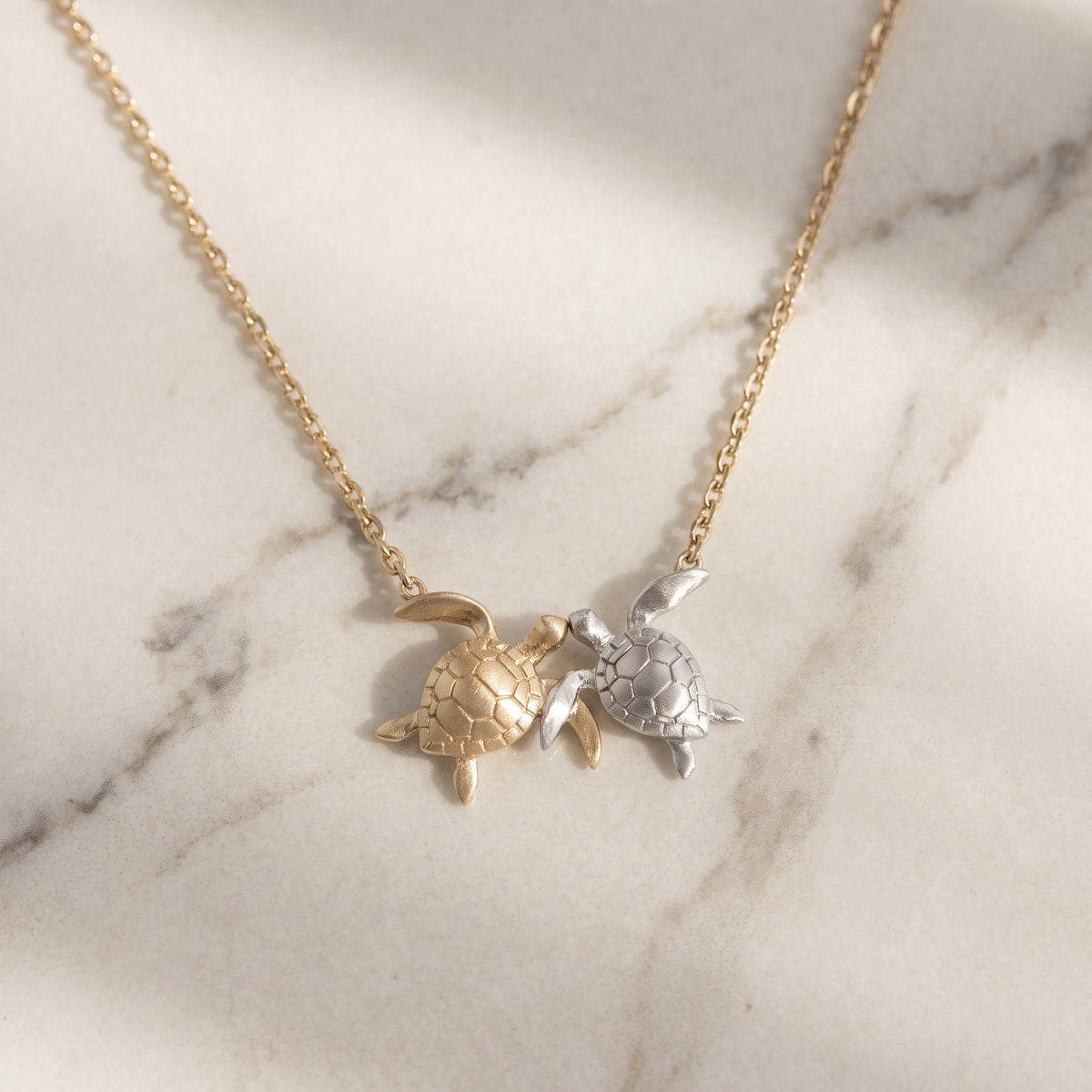
Honu Green sea turtle

Hawaiian tradition

The honu is the Hawaiian green sea turtle, and you may well see one in the water off Wailea. In Hawaiian belief it is one of the forms an ʻaumakua, a family's ancestral guardian, can take.

That bond belongs to particular families through their lineage. For most people a honu remembers the islands and the turtles they swam beside here.

Meanings such as long life or good luck come from jewelry sellers, not Hawaiian tradition.

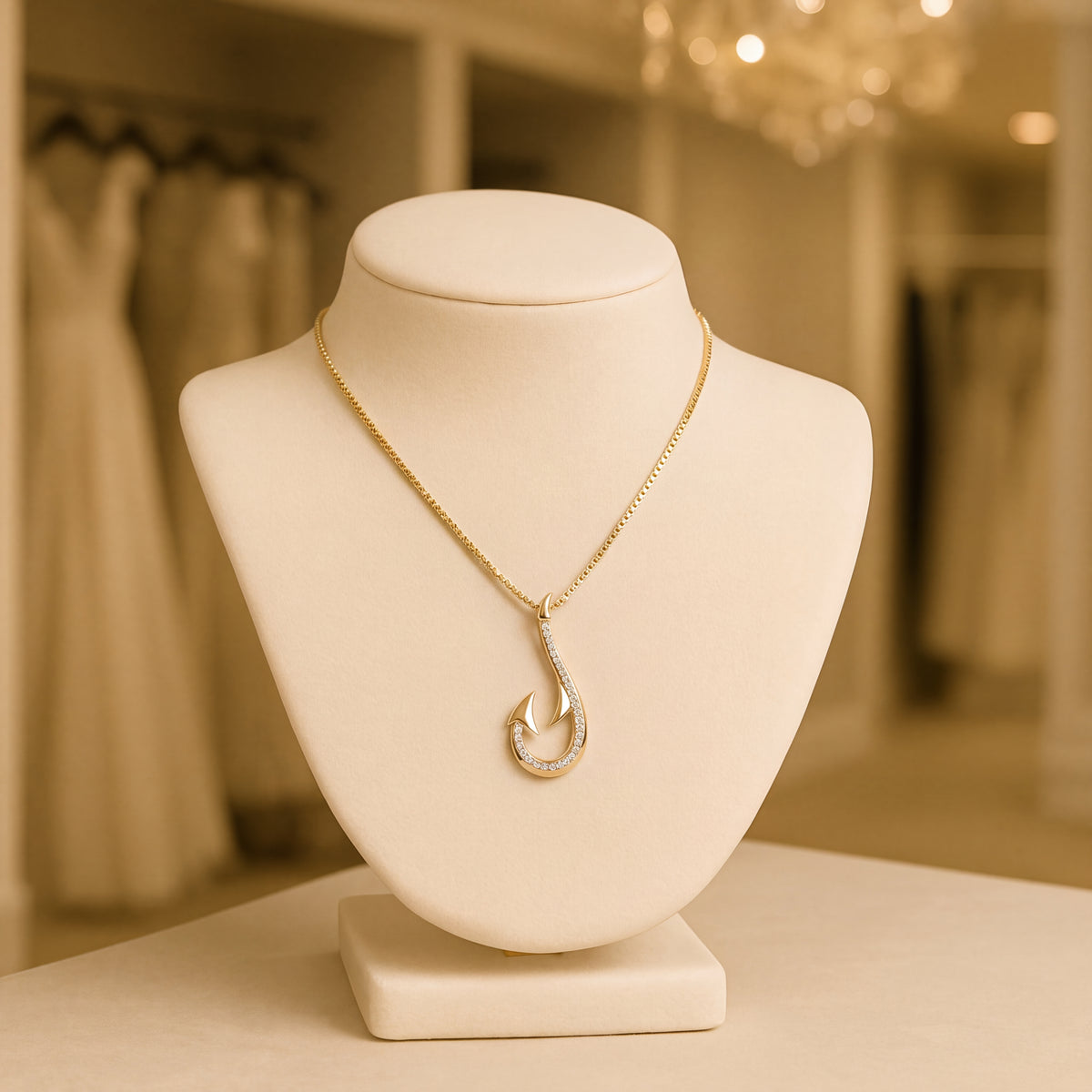
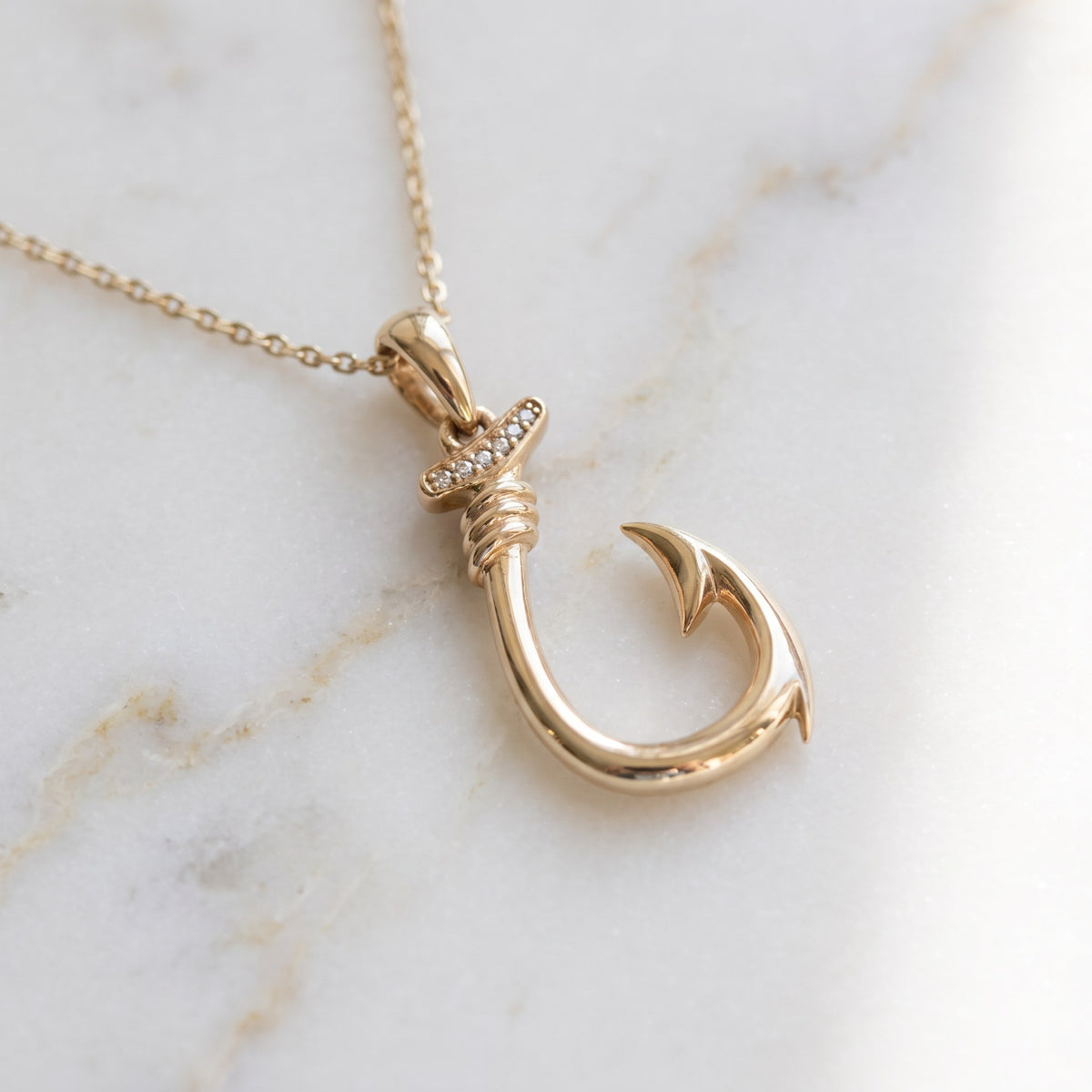
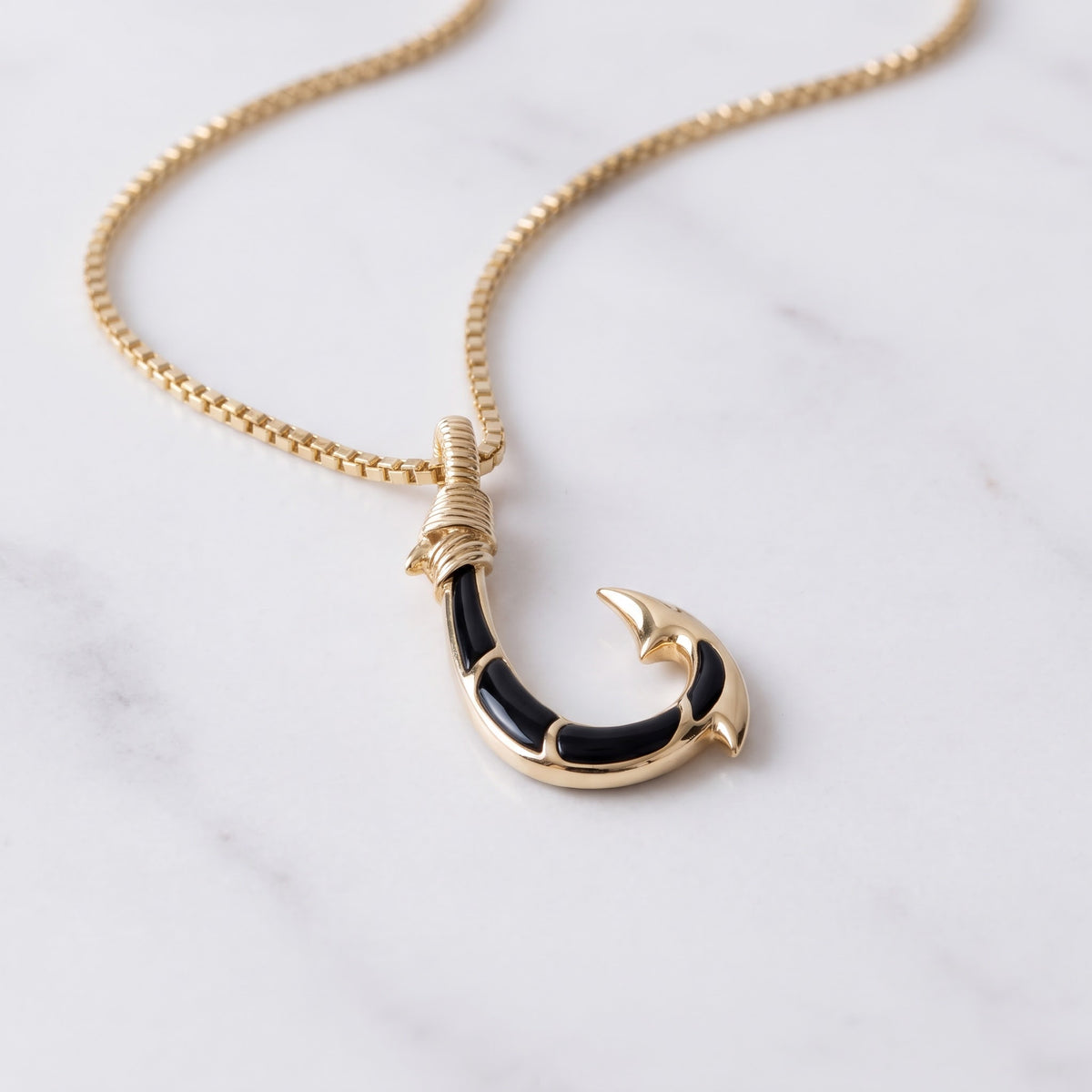
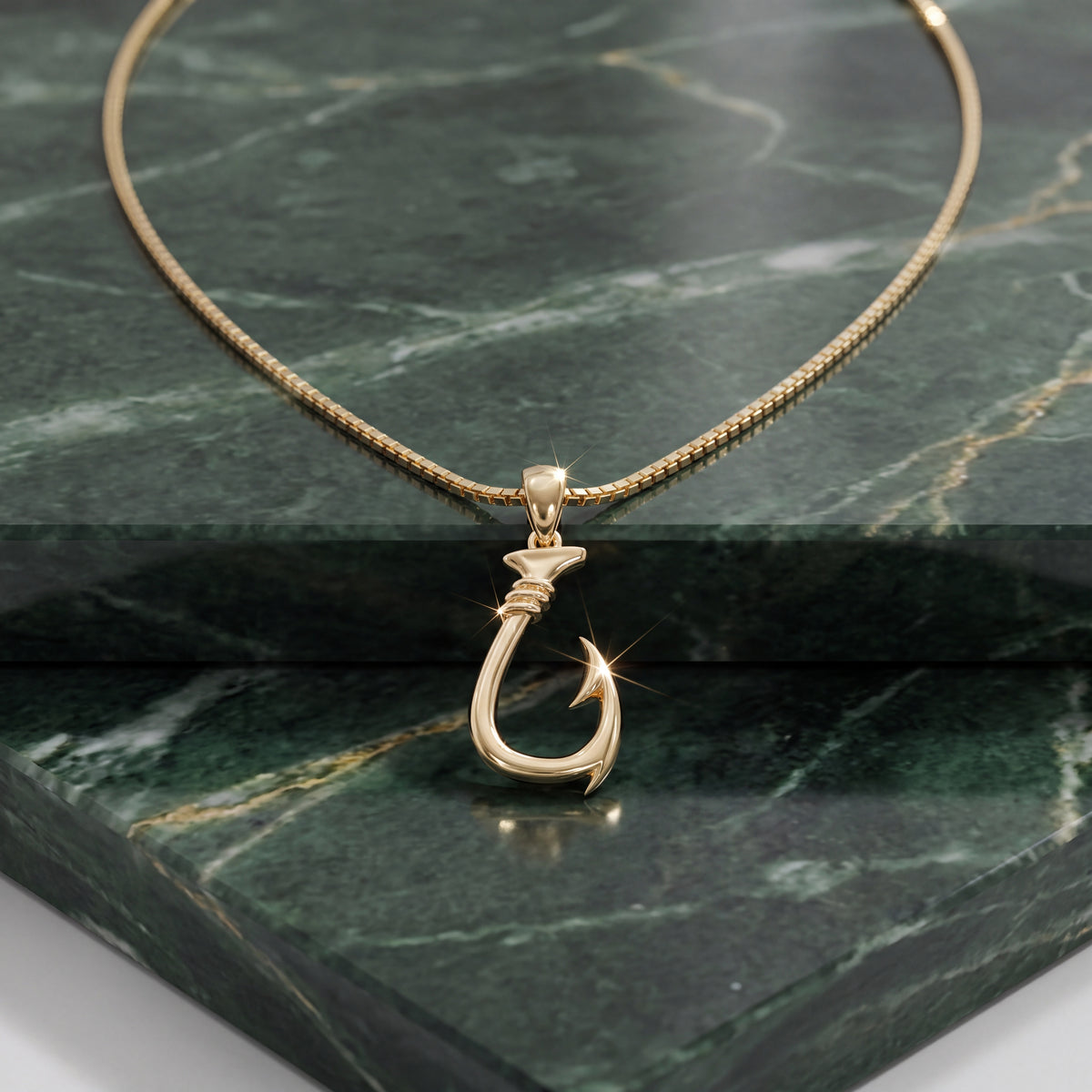
Makau Fish hook

Hawaiian tradition

Makau means fish hook. Hawaiians carved hooks from bone, shell, wood and stone, and the Bishop Museum in Honolulu holds thousands made between about the years 1000 and 1600.

In Hawaiian story the demigod Māui pulled the islands up from the sea with his hook, Manaiakalani.

The idea that a hook brings luck and safe travel over water comes mostly from the Māori hei matau of New Zealand. The Hawaiian side is respect for the ocean and for the fishing that fed the islands.

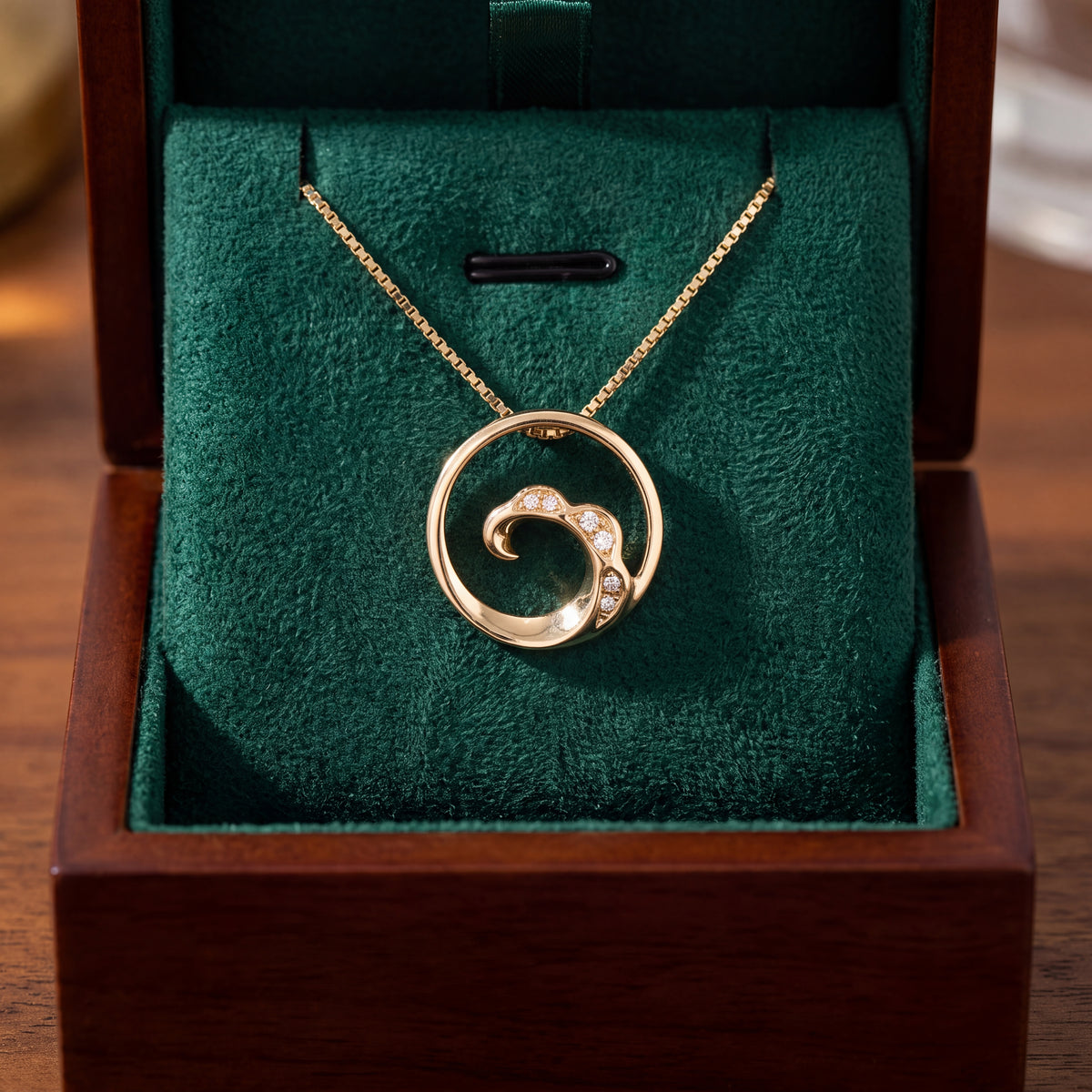
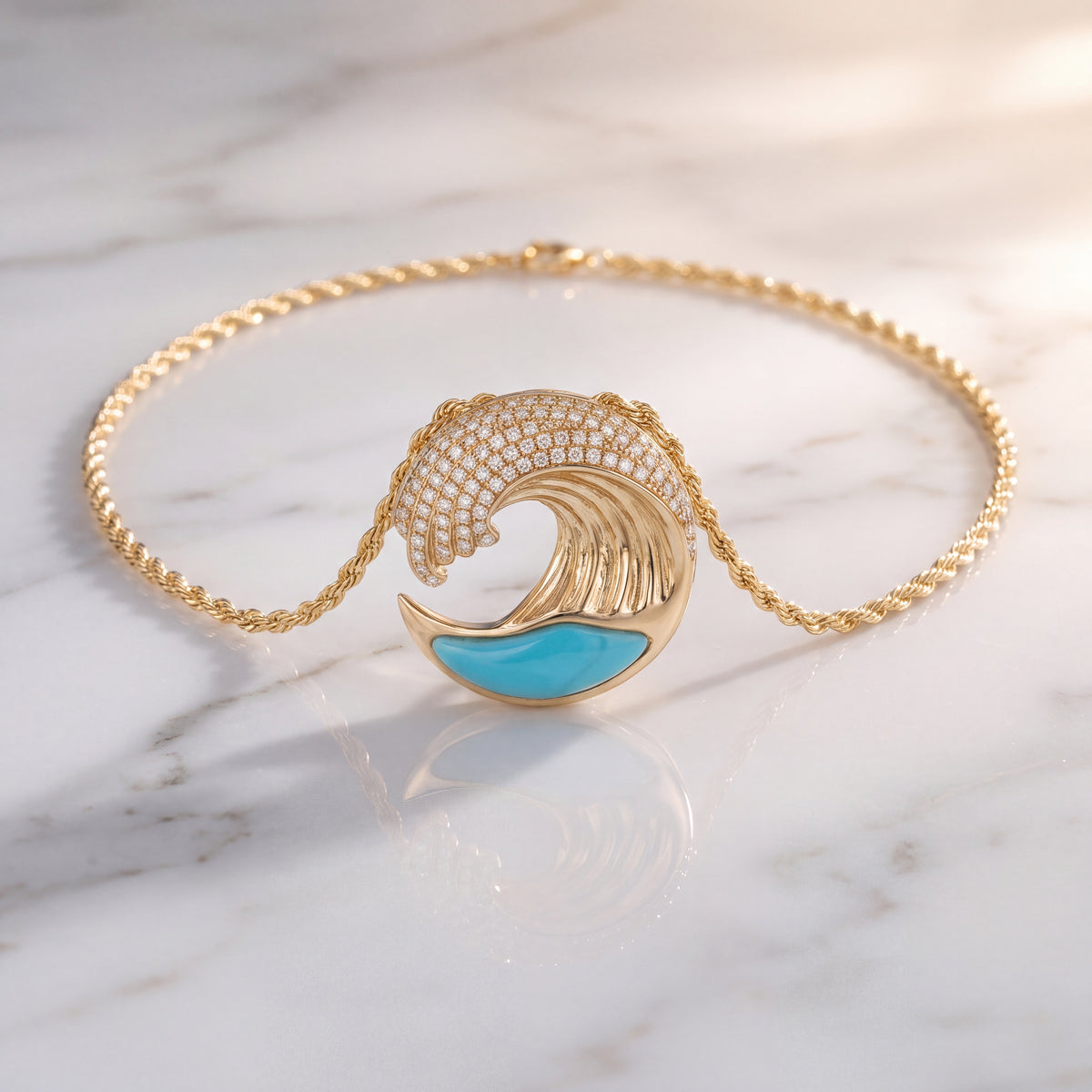
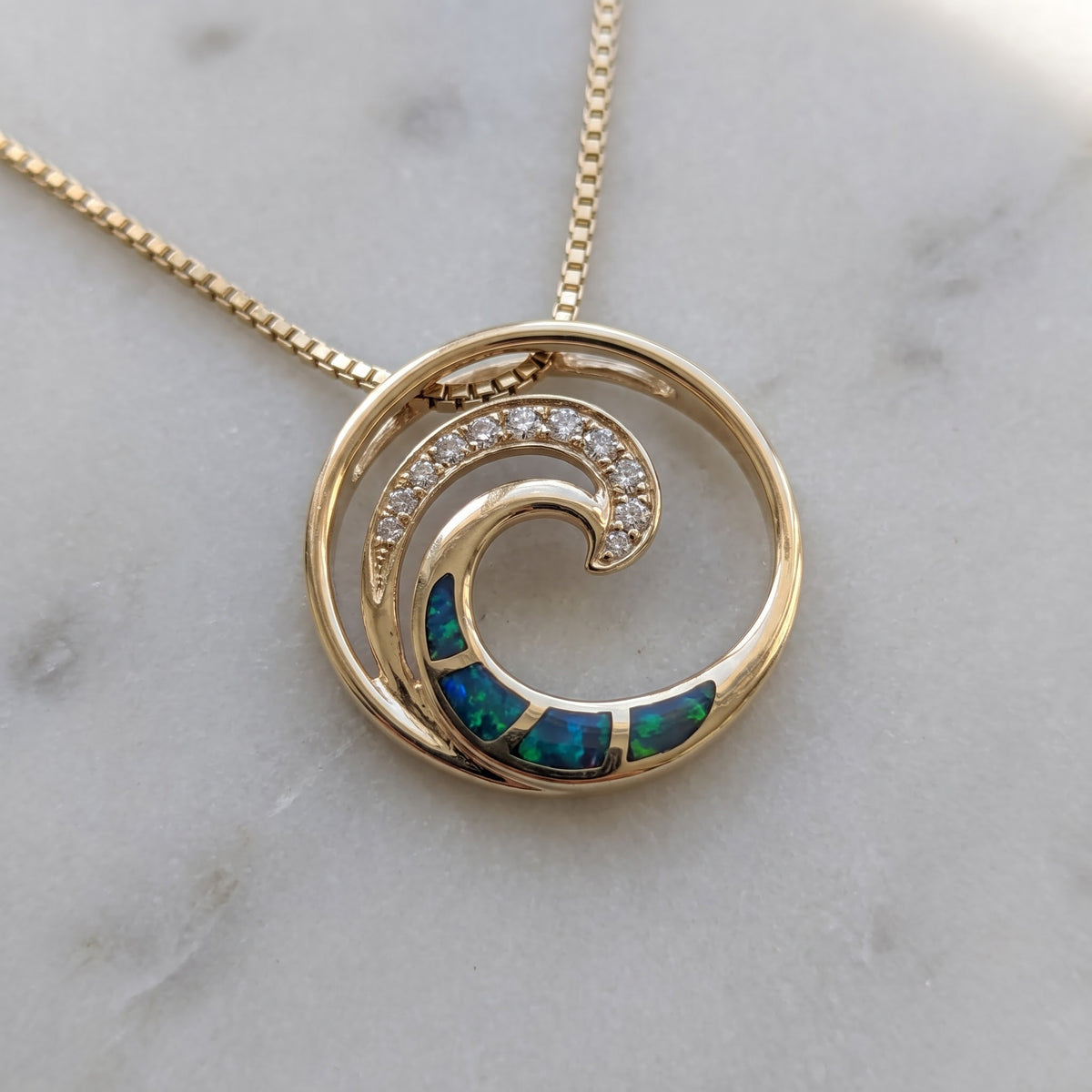
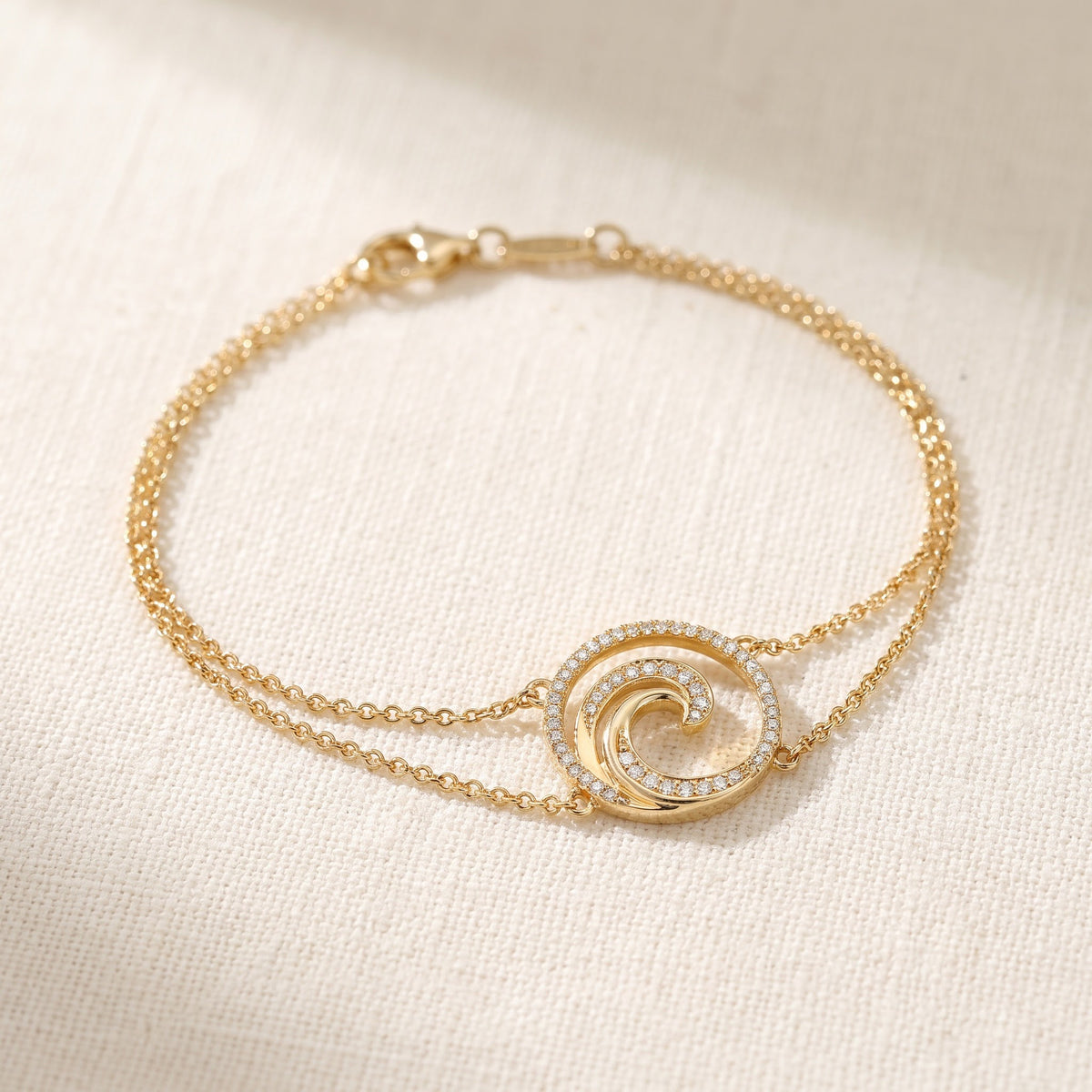
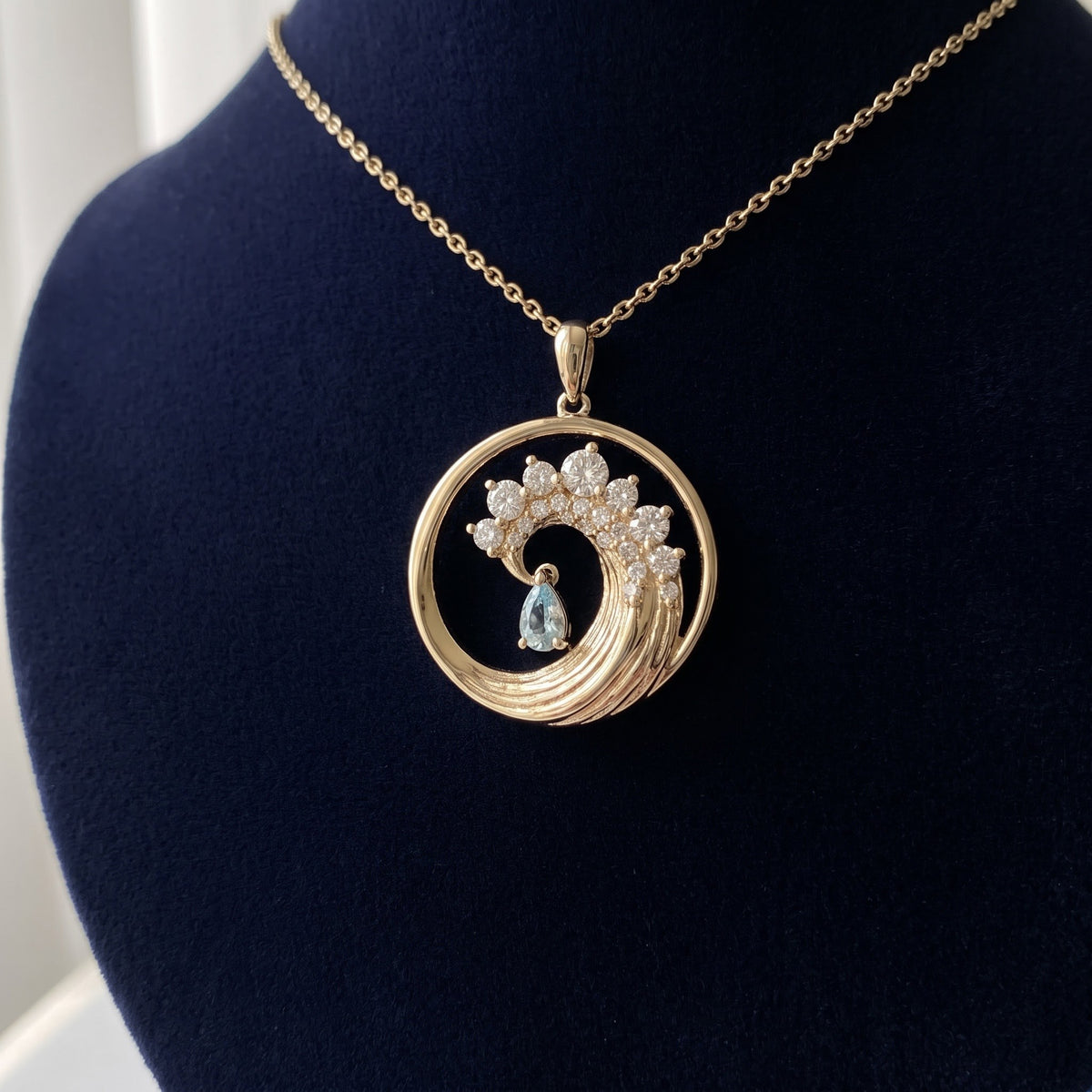
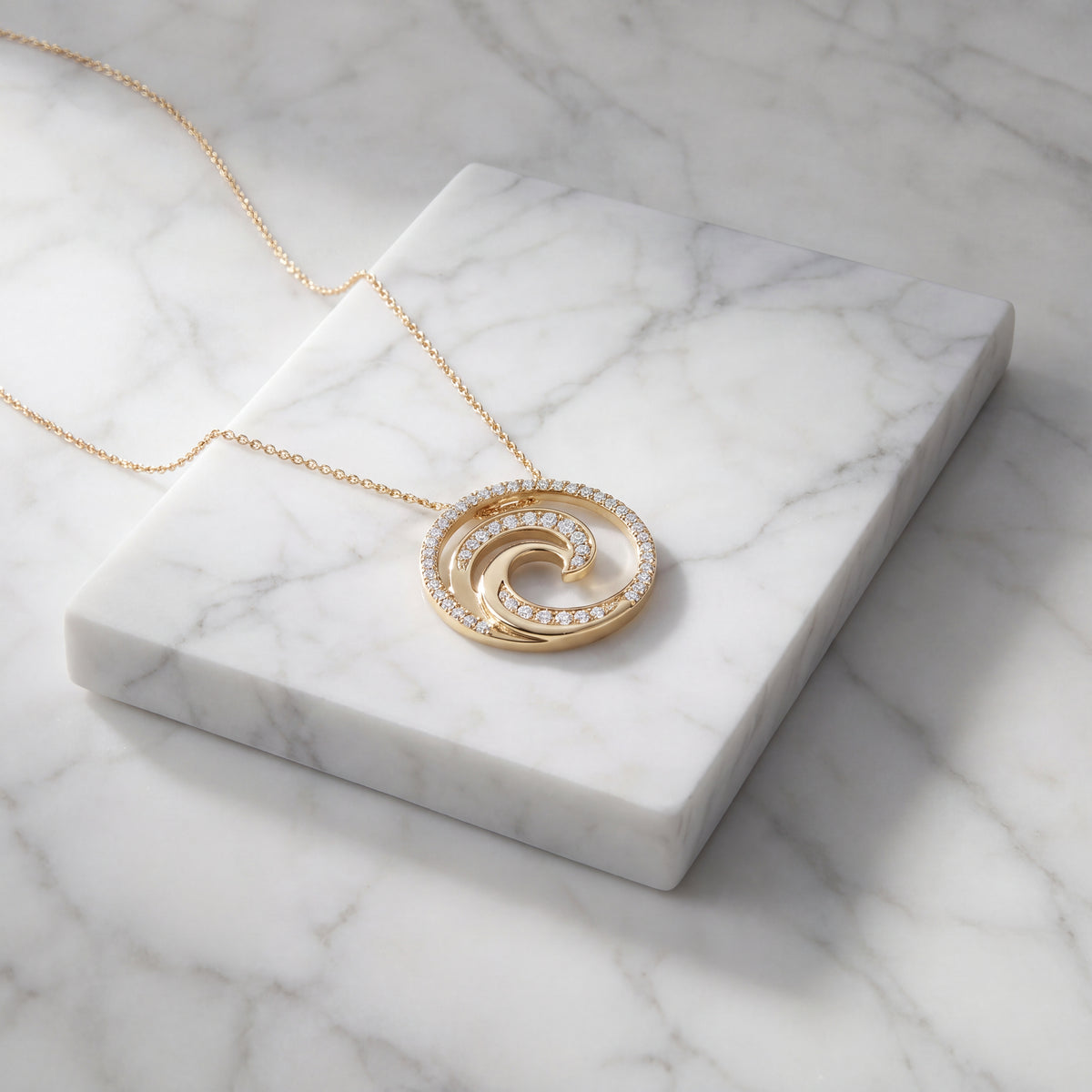
Nalu Wave

Hawaiian tradition

Nalu is the Hawaiian word for a wave or surf. It also means to think something over.

Surfing, heʻe nalu or wave sliding, is a Hawaiian practice with deep roots, and in Hawaiian tradition the ocean is one of the forms of Kanaloa, god of the sea.

Meanings such as strength or the flow of life are modern.

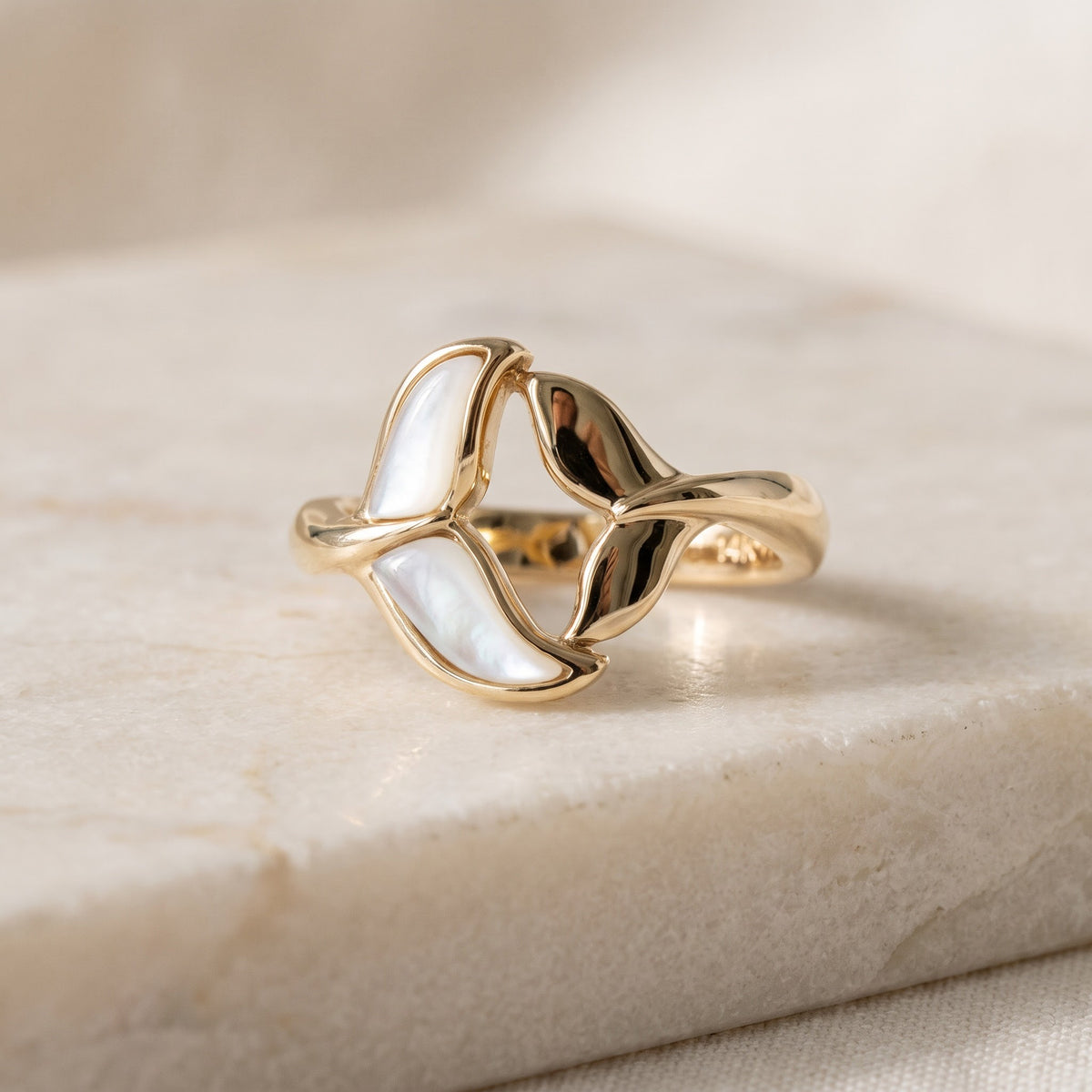
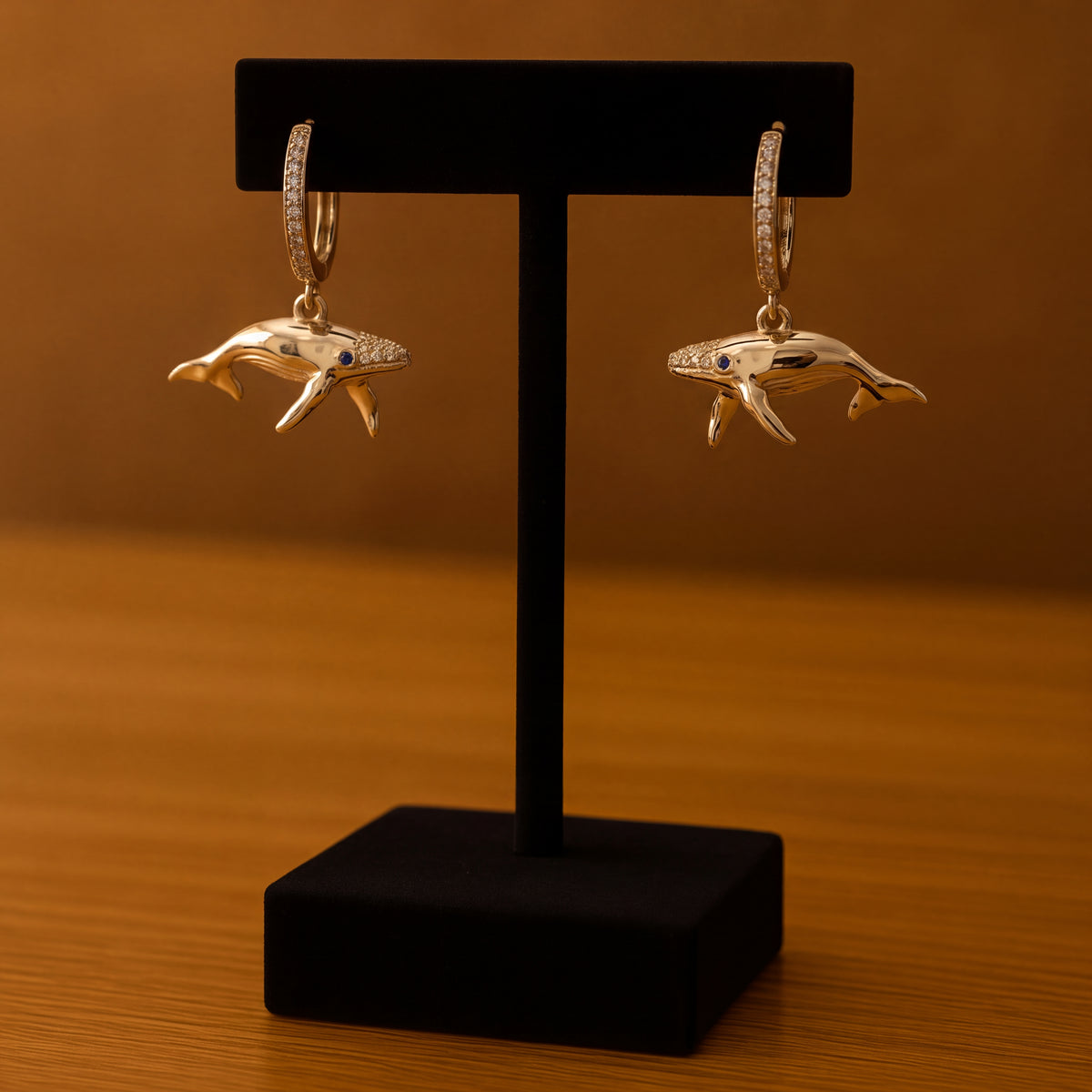
Koholā Humpback whale

Hawaiian tradition

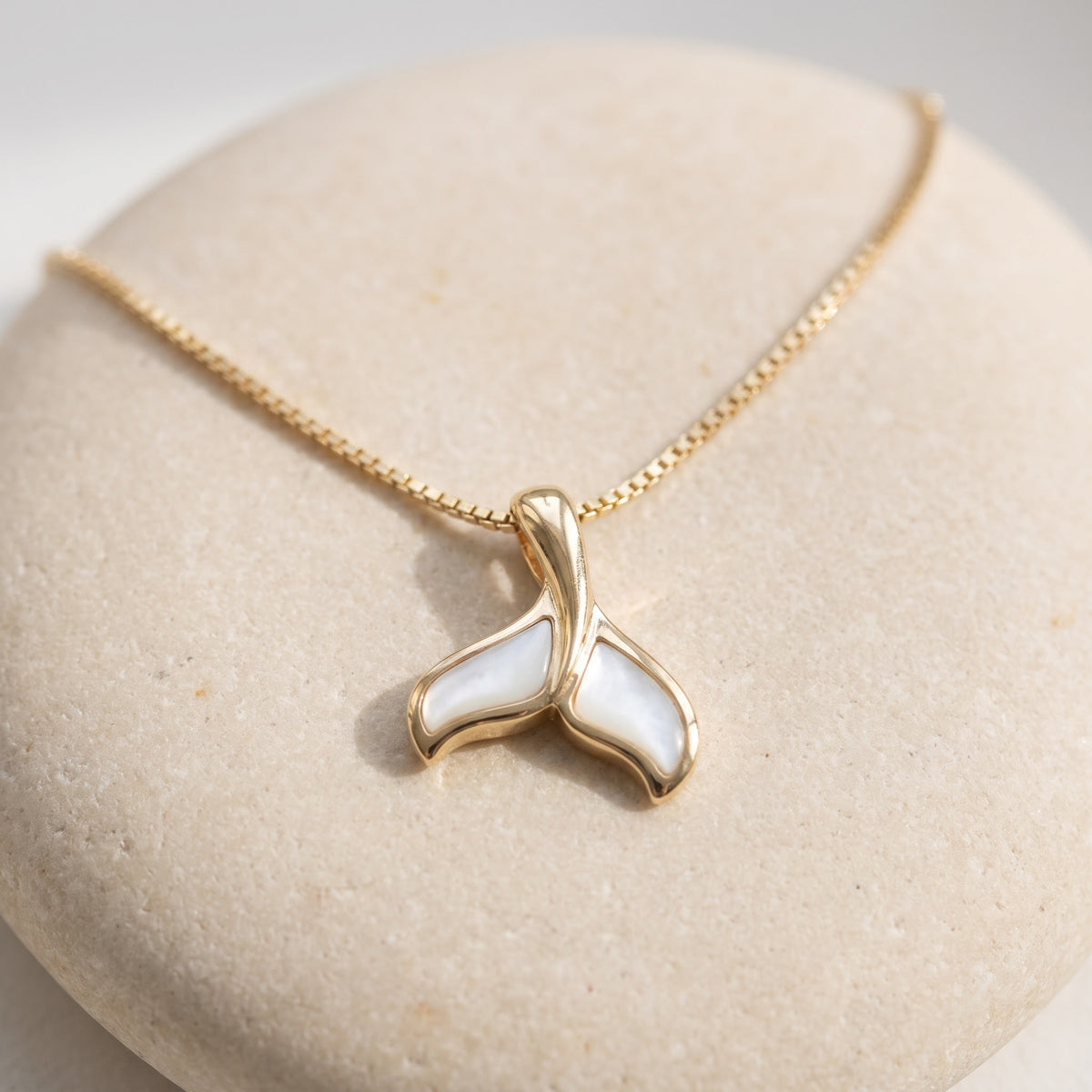
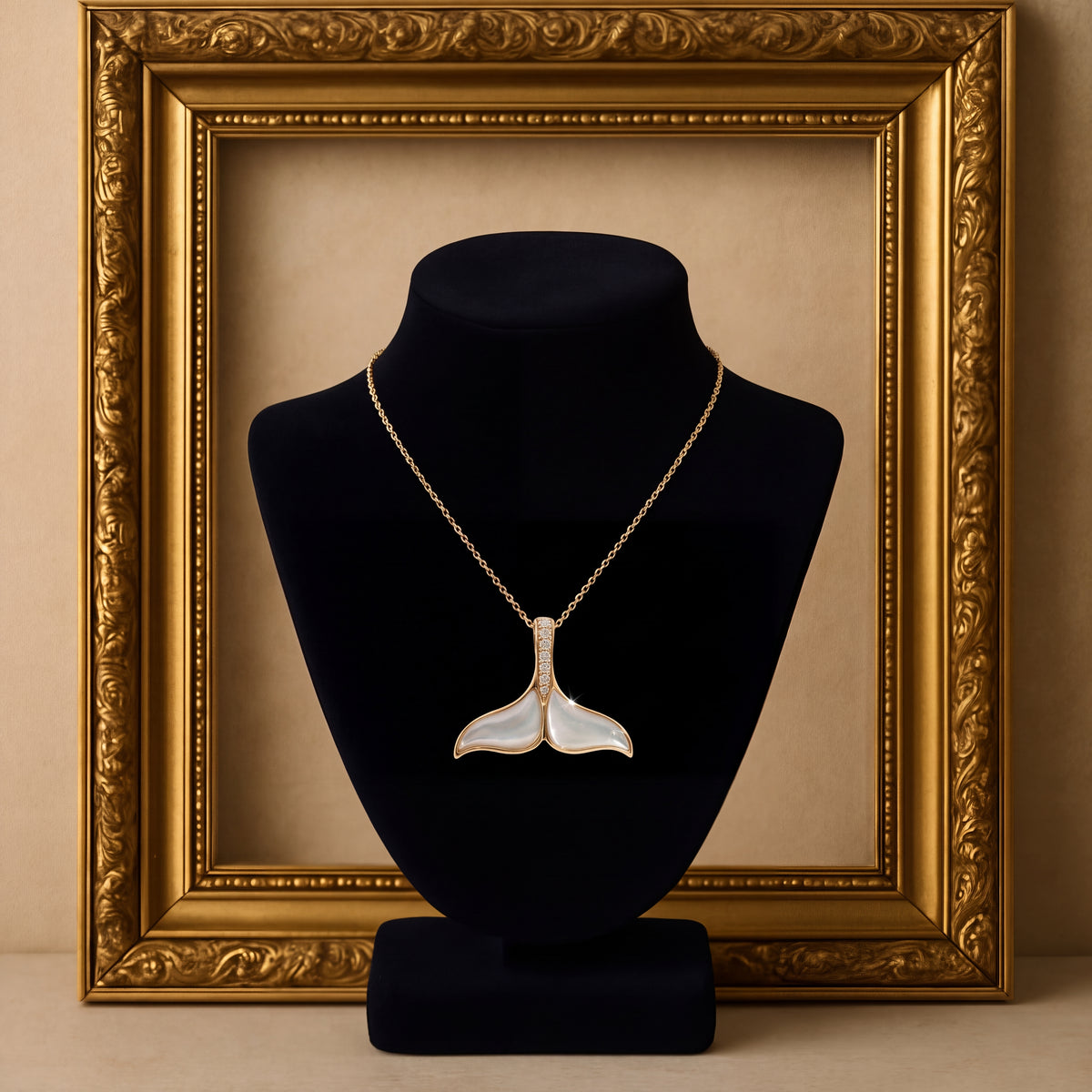
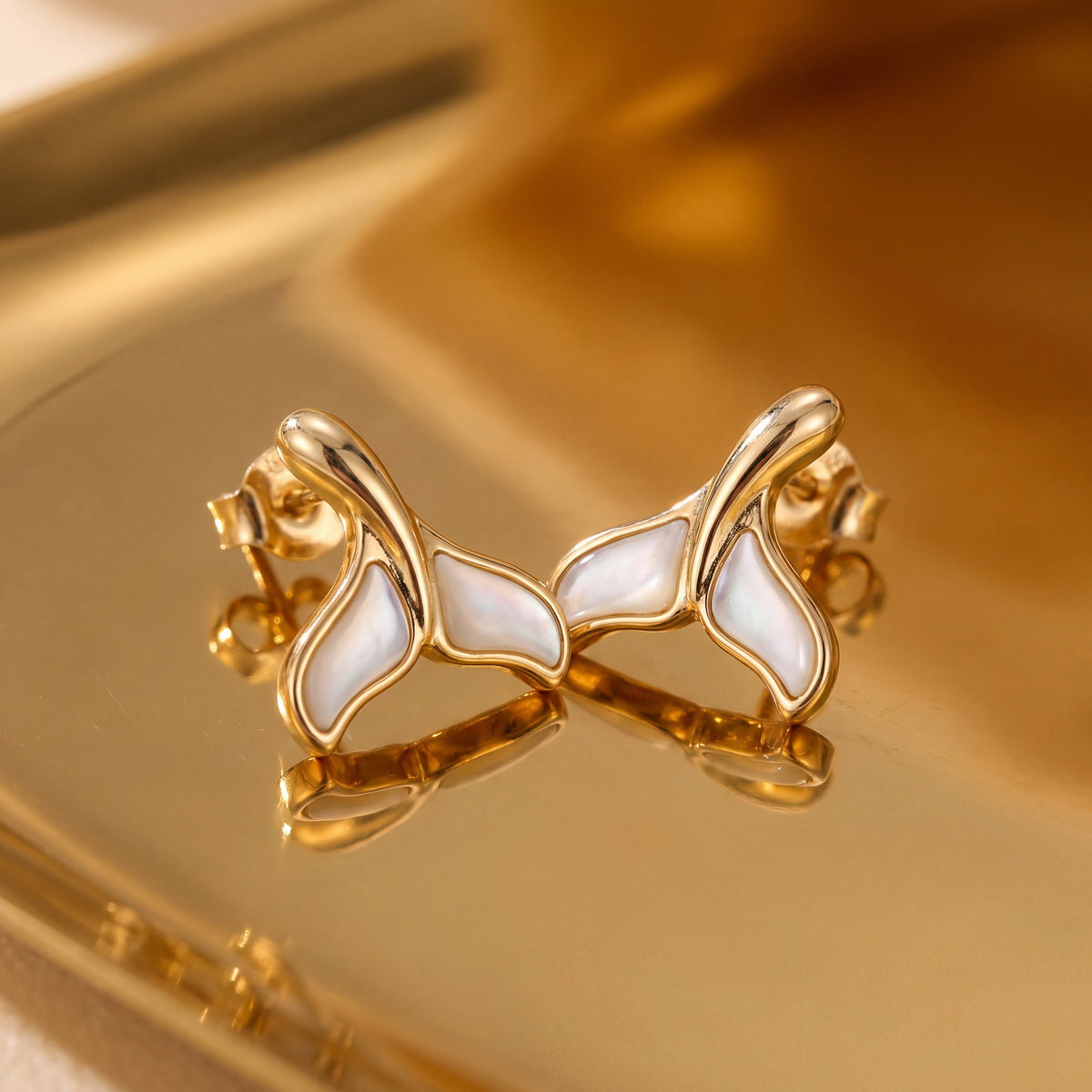
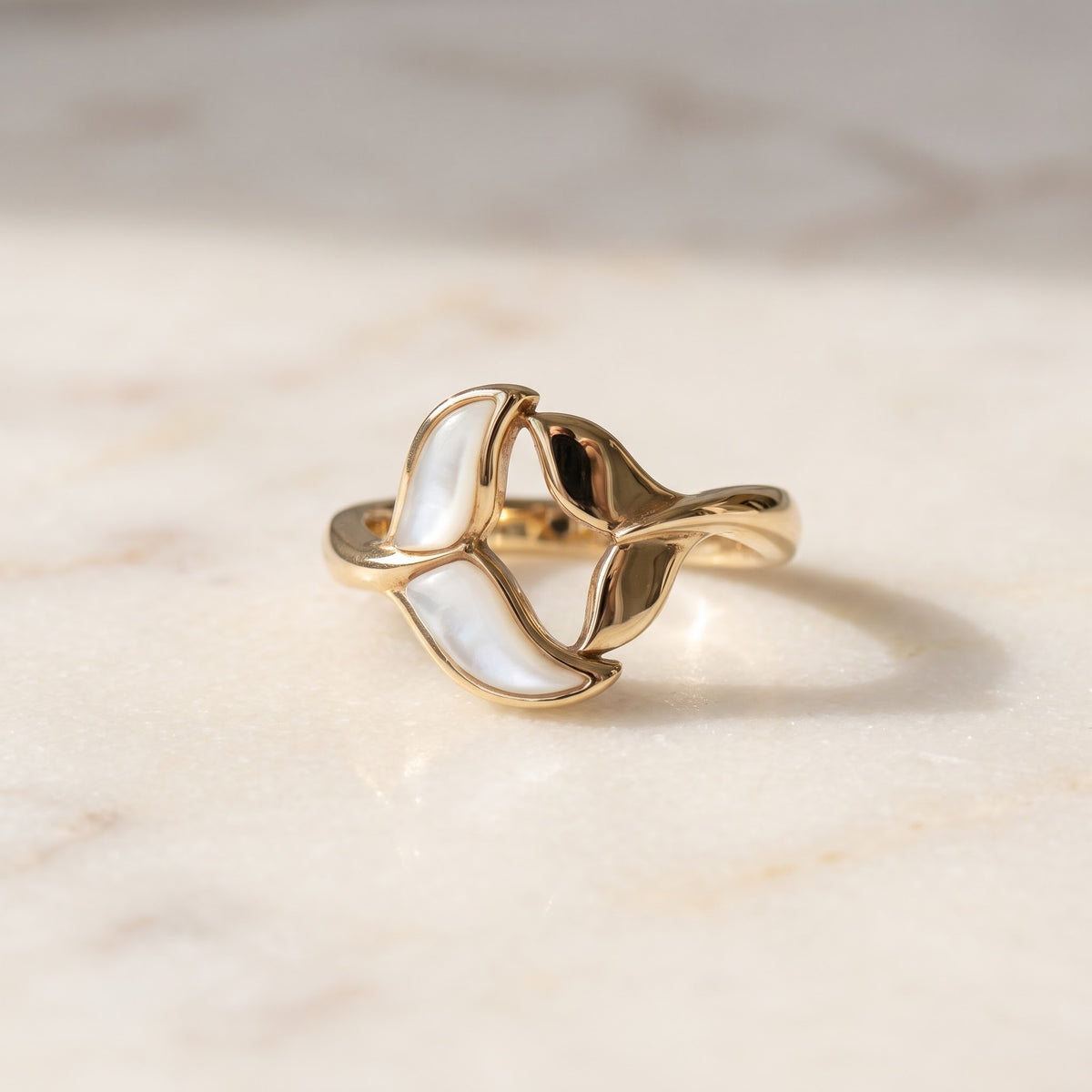
Humpback whales travel from Alaska to Hawaiian waters each winter to give birth and raise their calves, and the water off Wailea is part of their national marine sanctuary. NOAA says they are most common from January to March and gone by early May.

In Hawaiian tradition whales are among the forms of Kanaloa, and some families honor them as ʻaumākua.

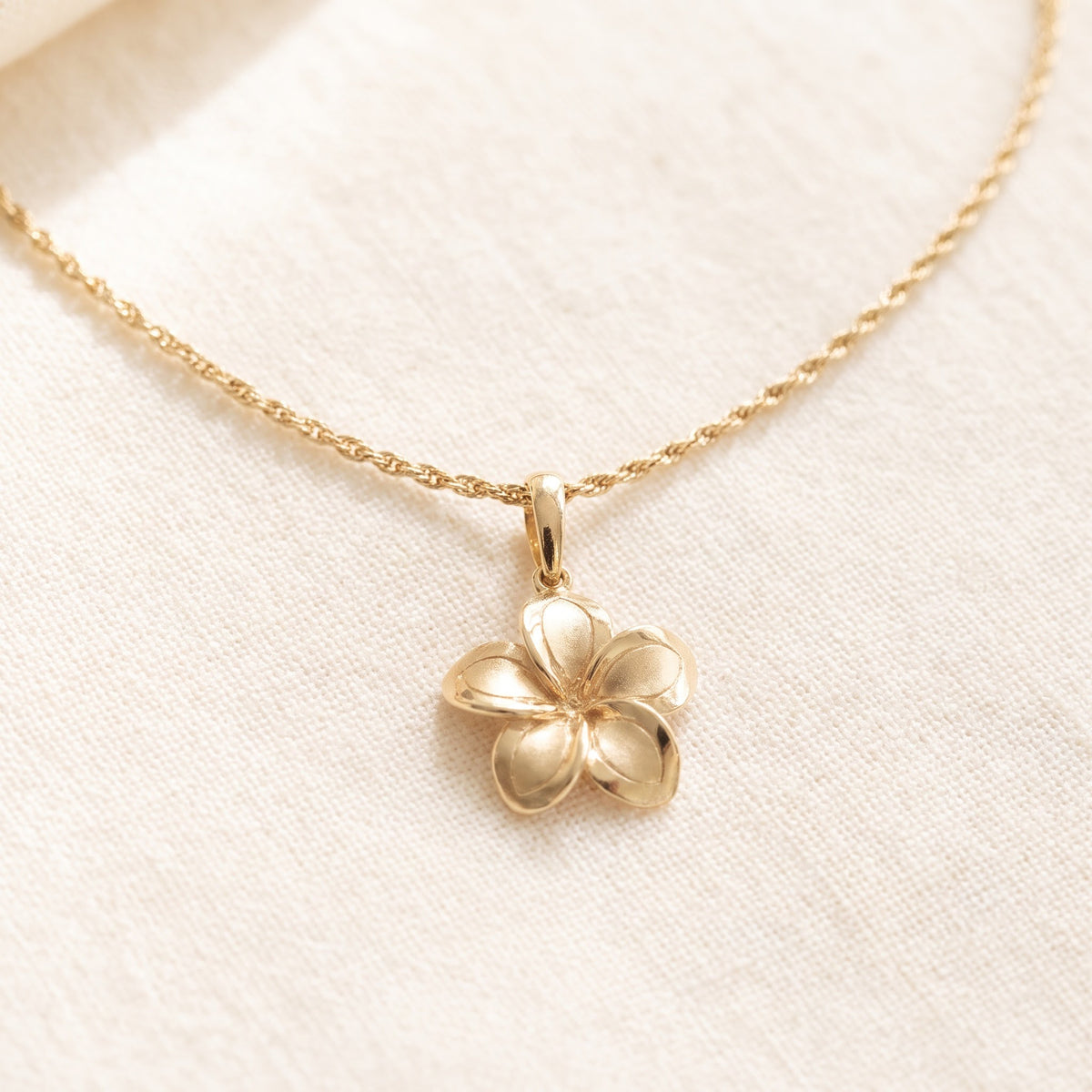
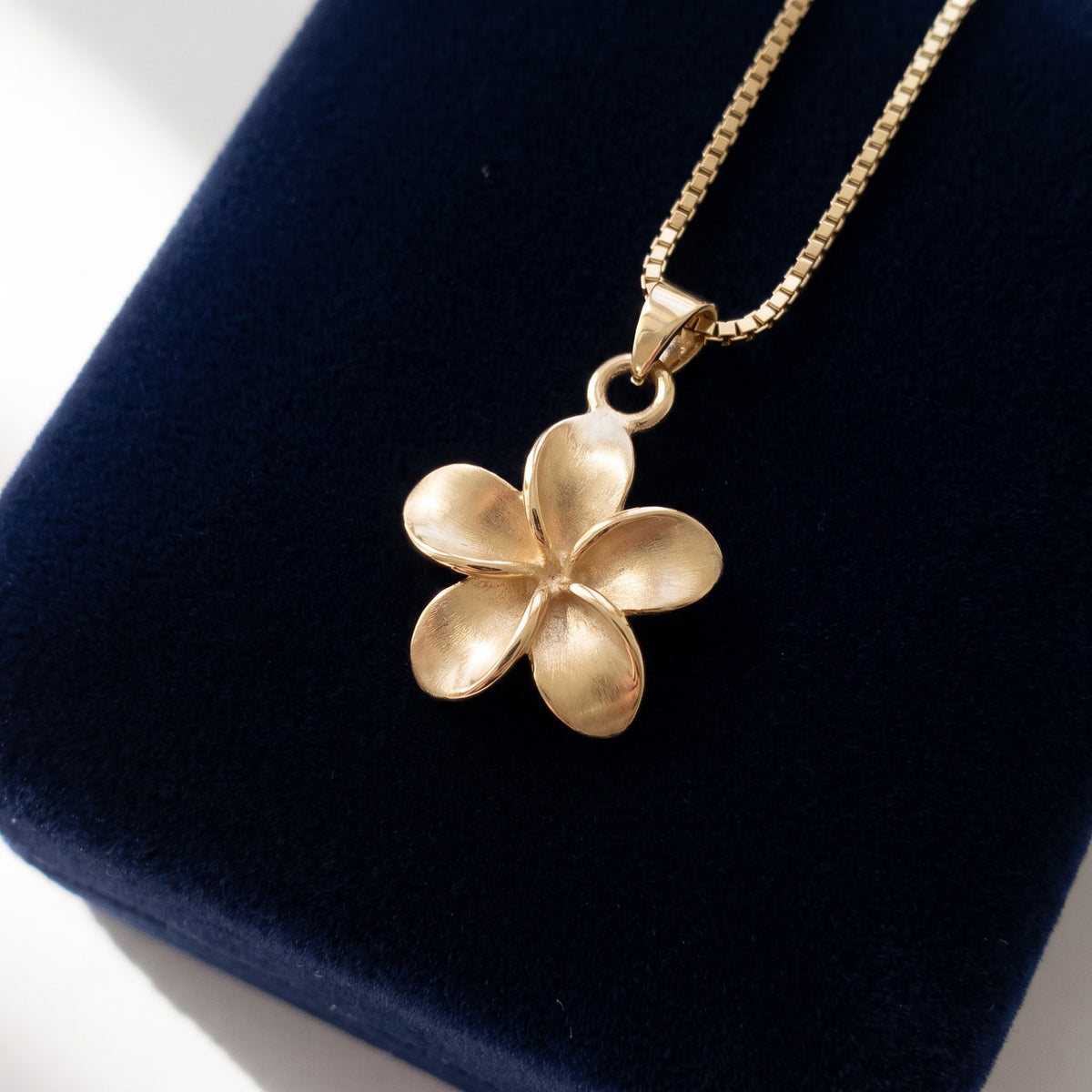
Plumeria Pua melia

Arrived in 1860

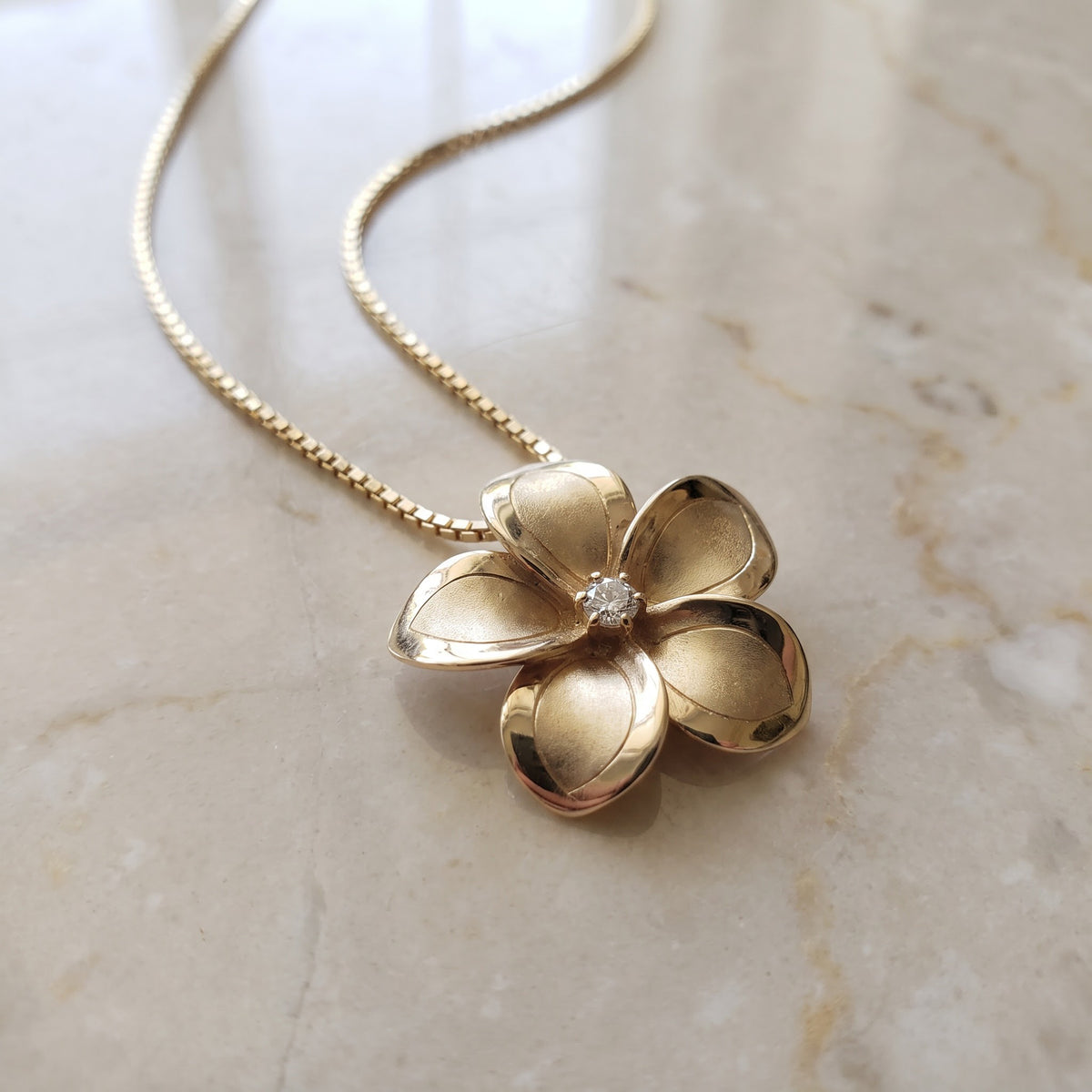
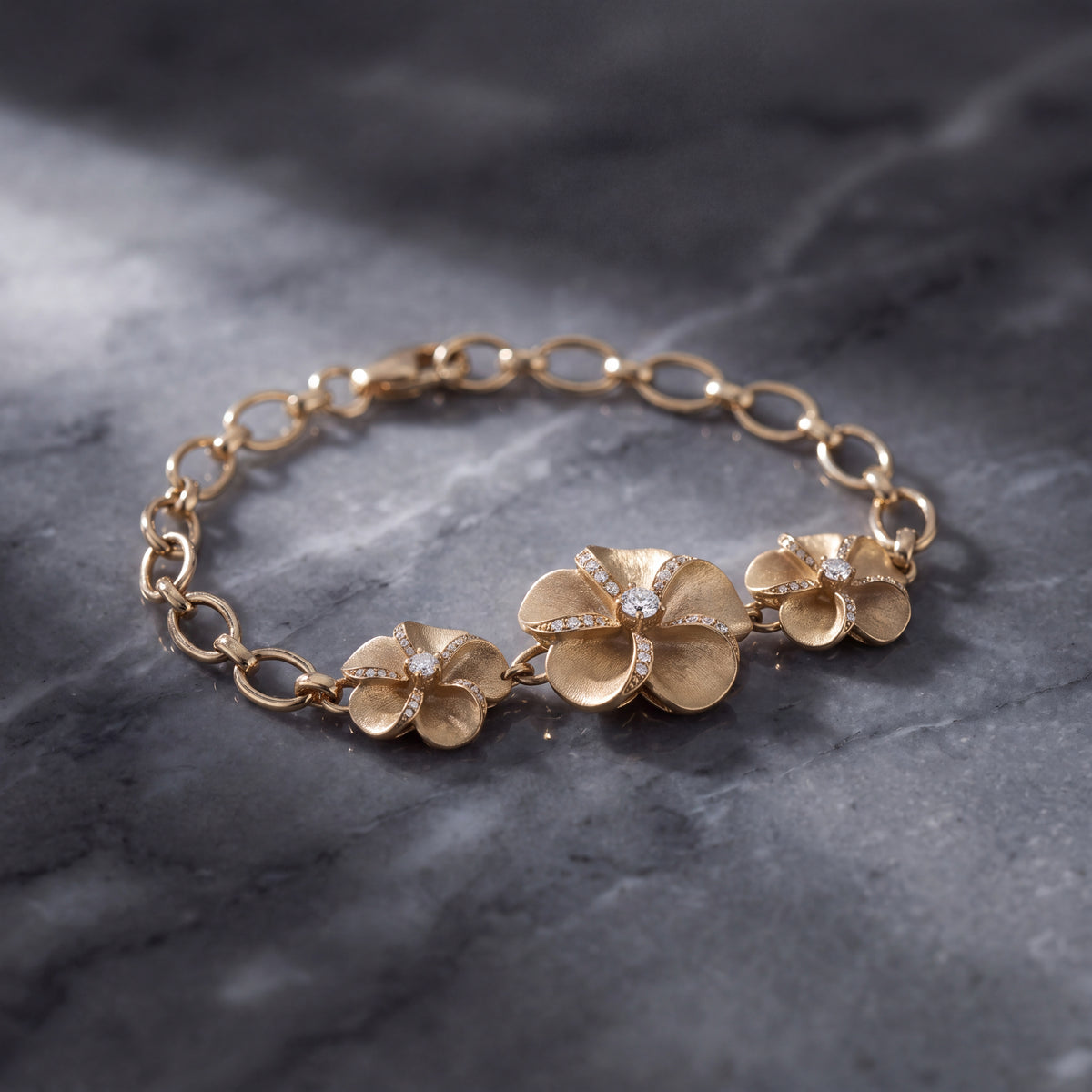
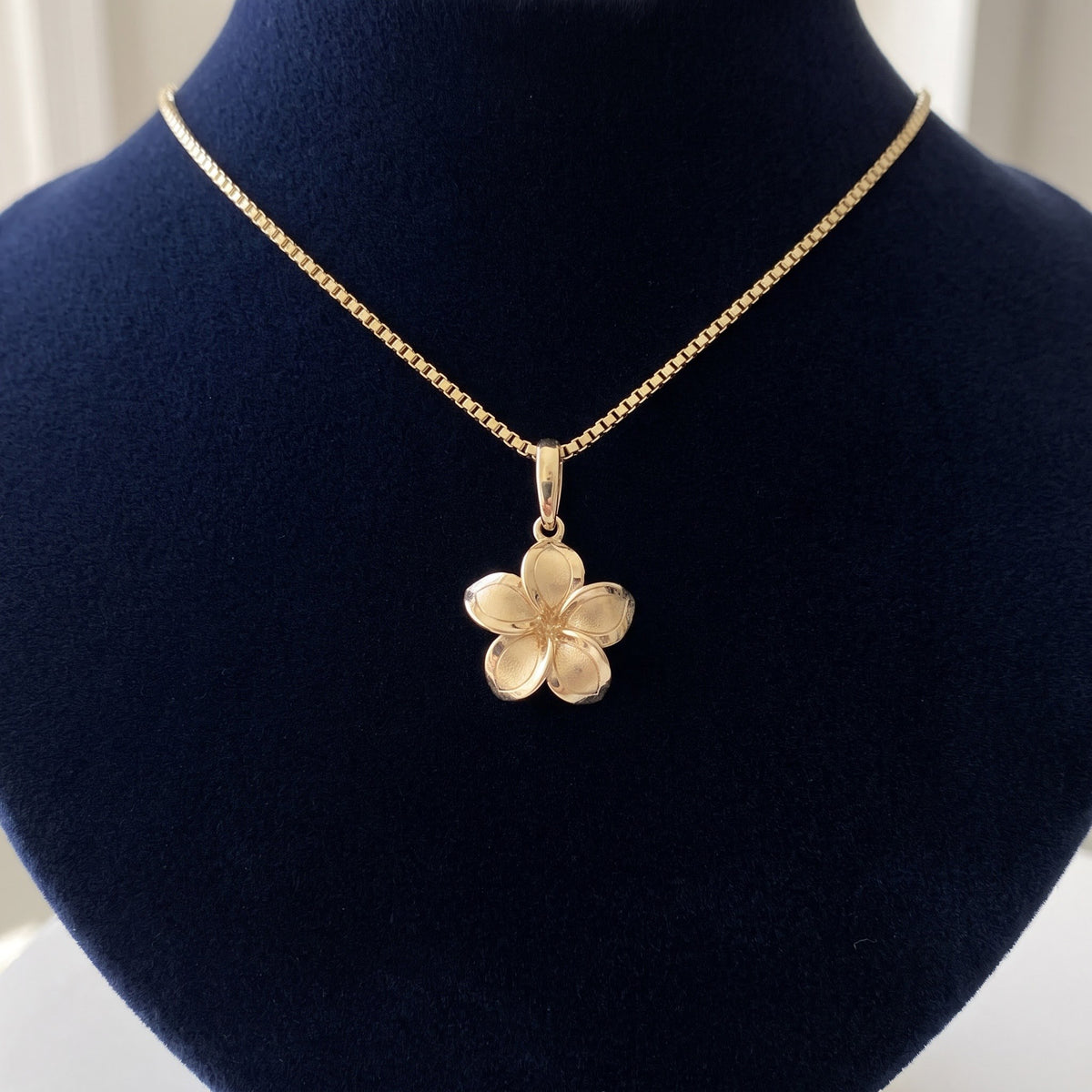
Plumeria came to Hawaiʻi in 1860, brought from tropical America by the botanist William Hillebrand. It became one of the most-used lei flowers in the islands.

Because it arrived in the 1800s, it is not part of ancient Hawaiian tradition. For most visitors it is the scent and shape of a Hawaiian welcome.

Meanings such as love or new beginnings come from sellers, not Hawaiian custom.

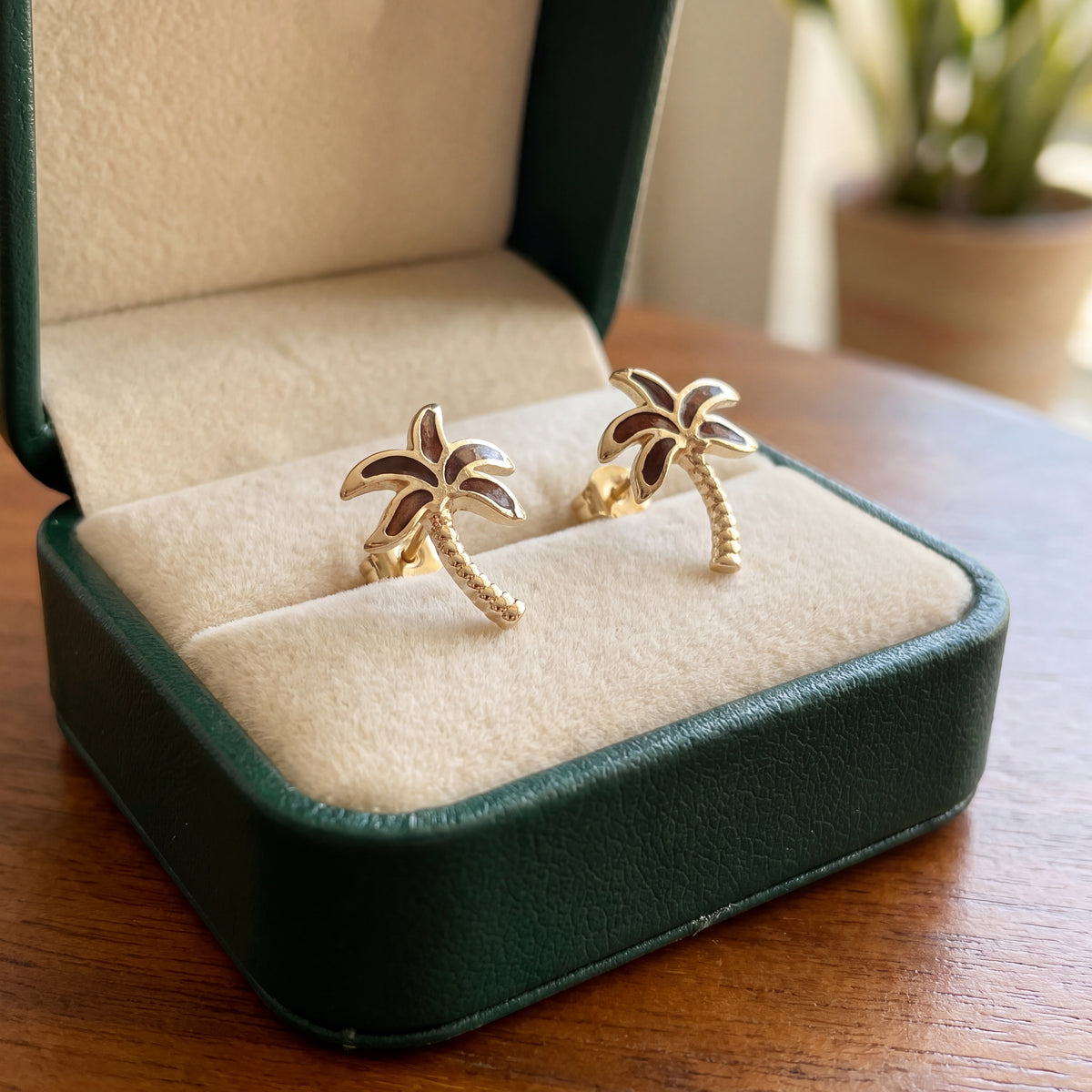
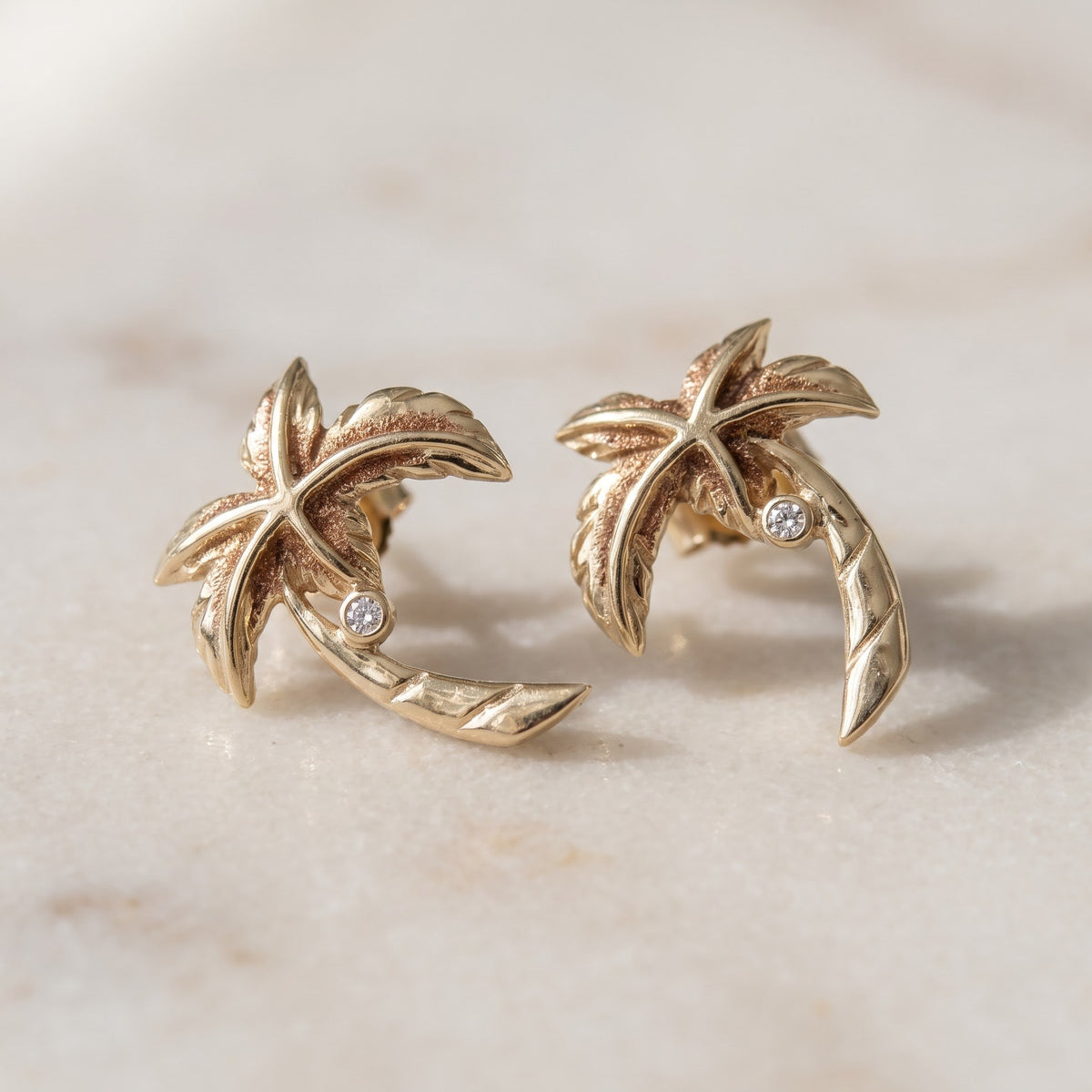
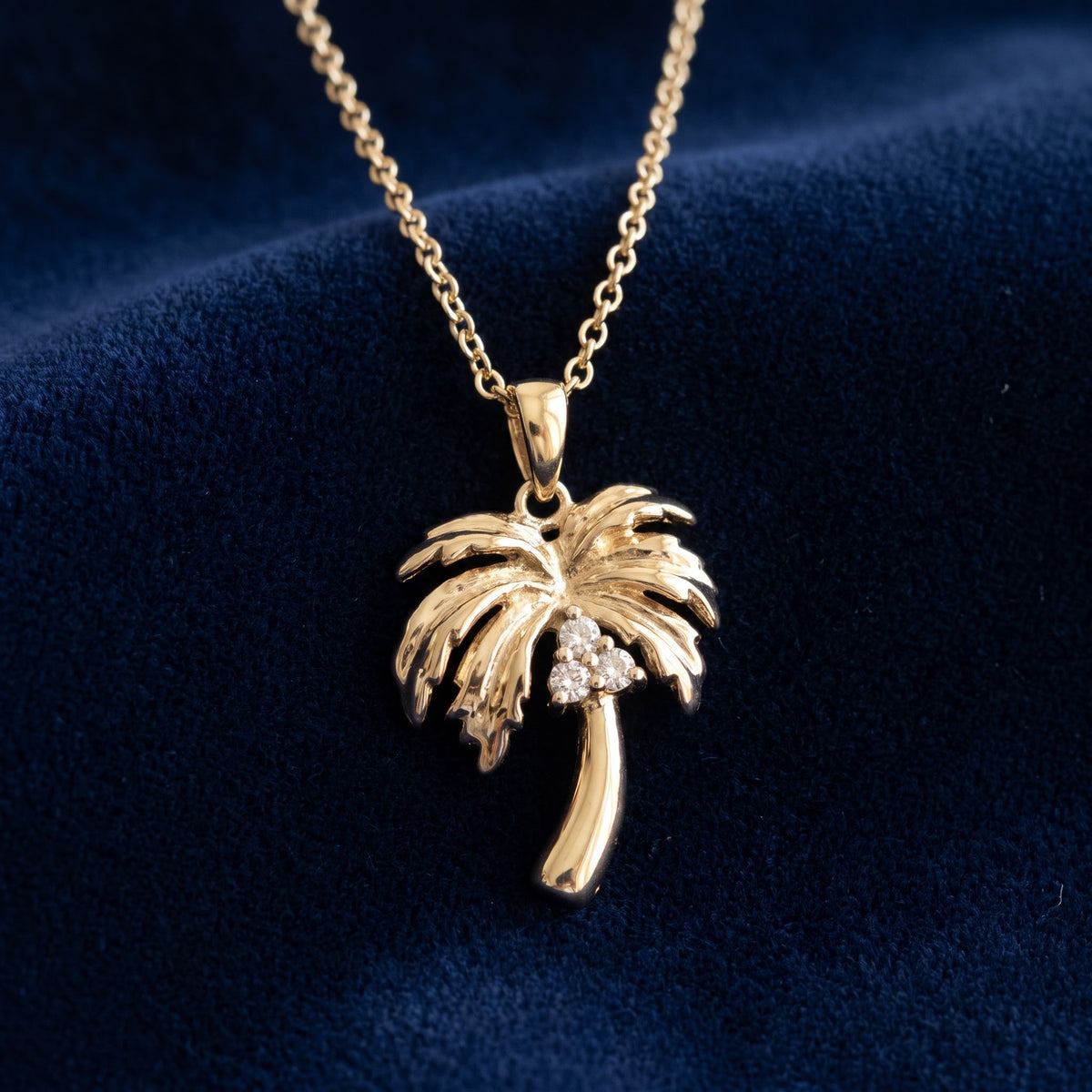
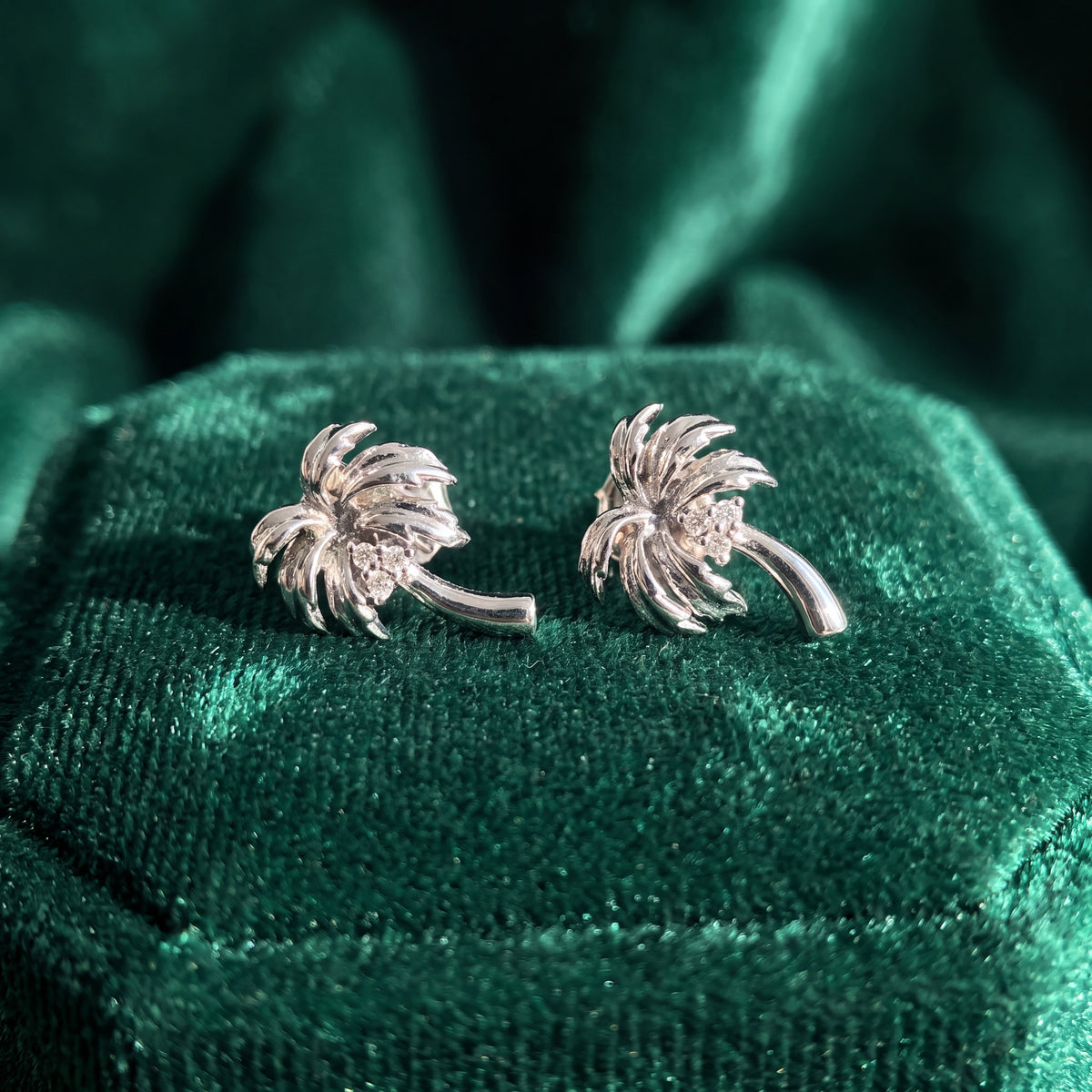
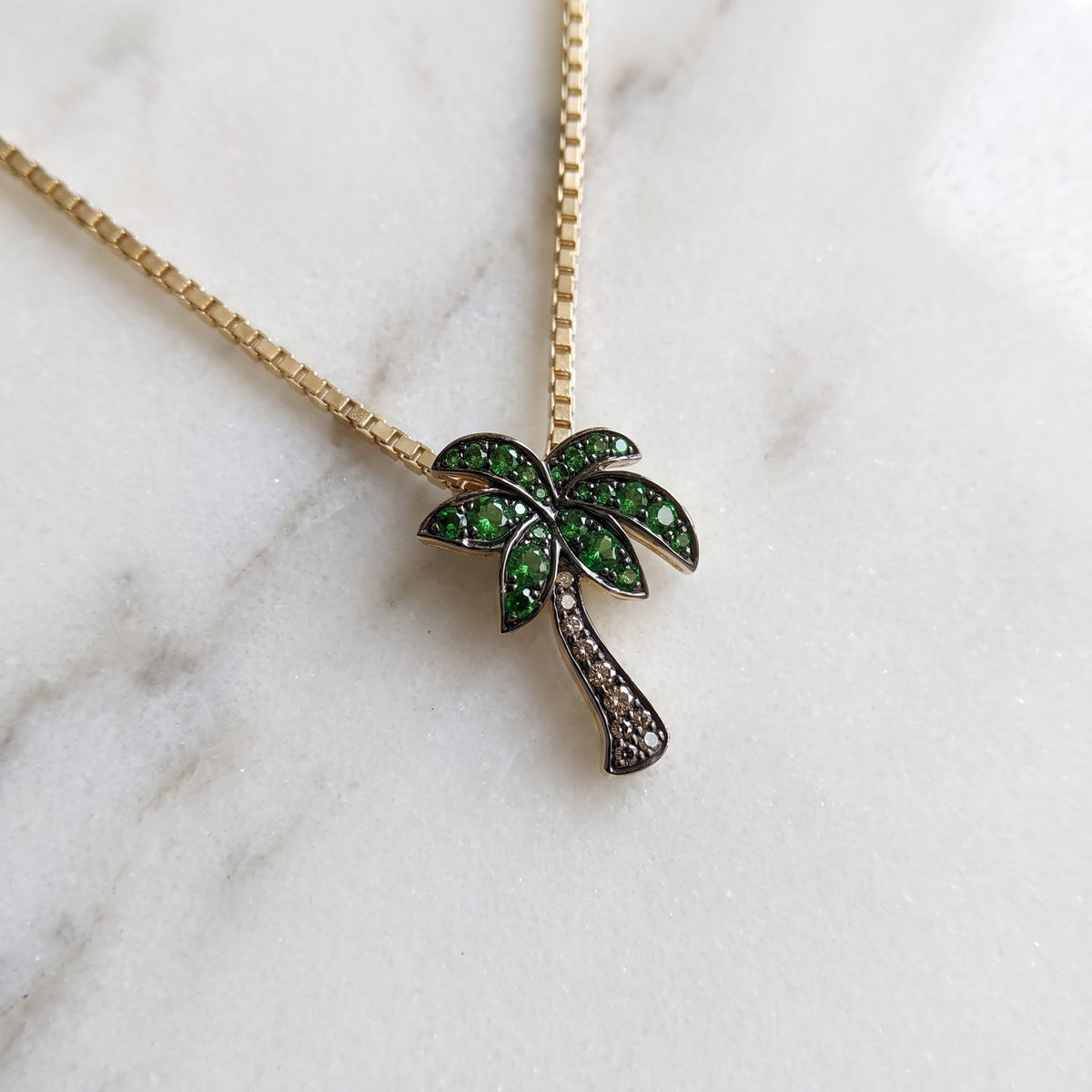
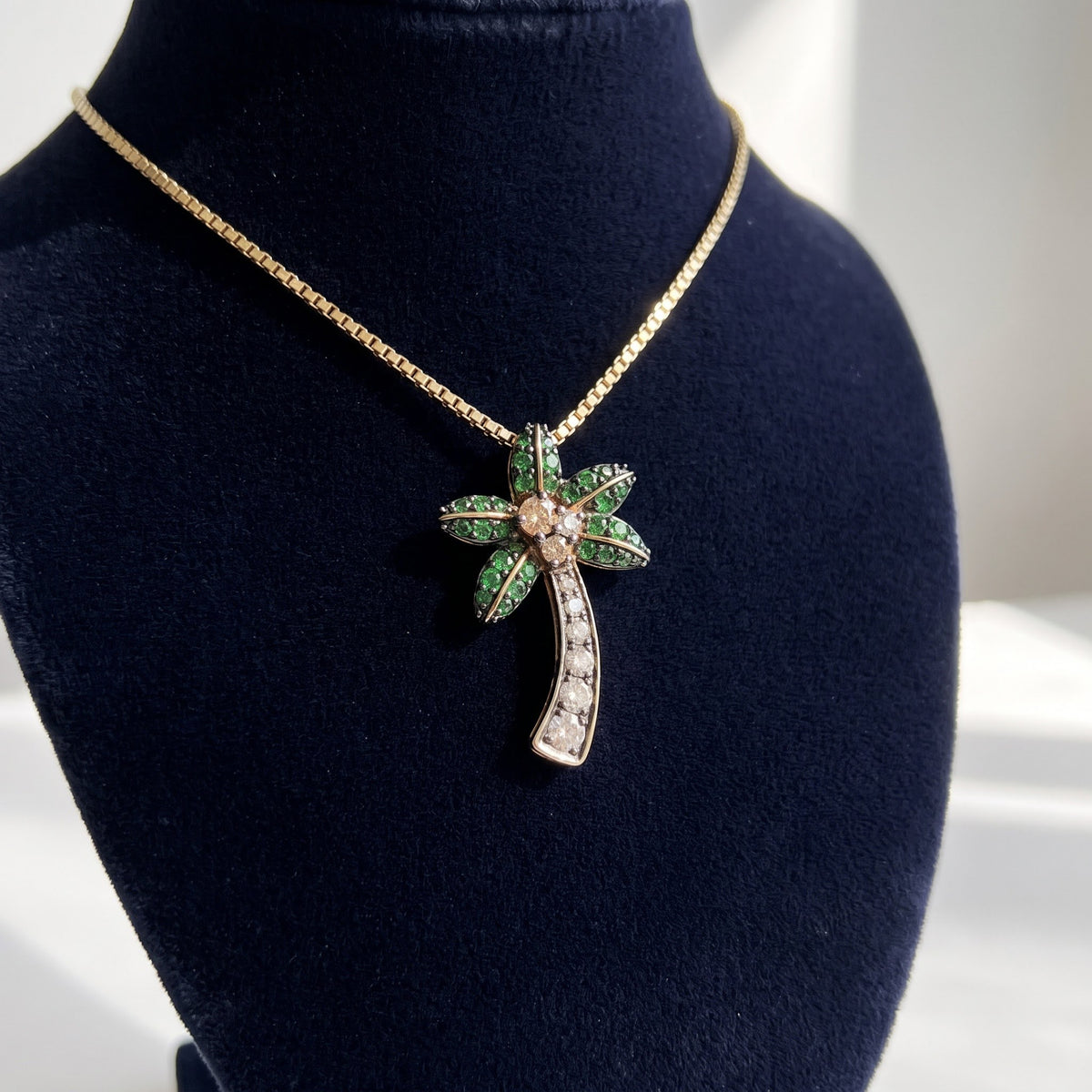
Niu Coconut palm

Carried by the first voyagers

Niu, the coconut palm, is one of the canoe plants the first Polynesian voyagers carried to Hawaiʻi. It gave them food, drinking water, rope, thatch and containers.

Maile The wedding lei

Native to Hawaiʻi

Maile is a native vine whose fragrant leaves and bark are twisted into an open lei. It is the lei of big occasions: weddings, graduations and openings. At a Hawaiian wedding the groom often wears one.

We have no maile piece in the case right now. A maile pattern suits a wedding band or an anniversary piece; ask us about a custom design.

The islands Ka pae ʻāina

The place itself

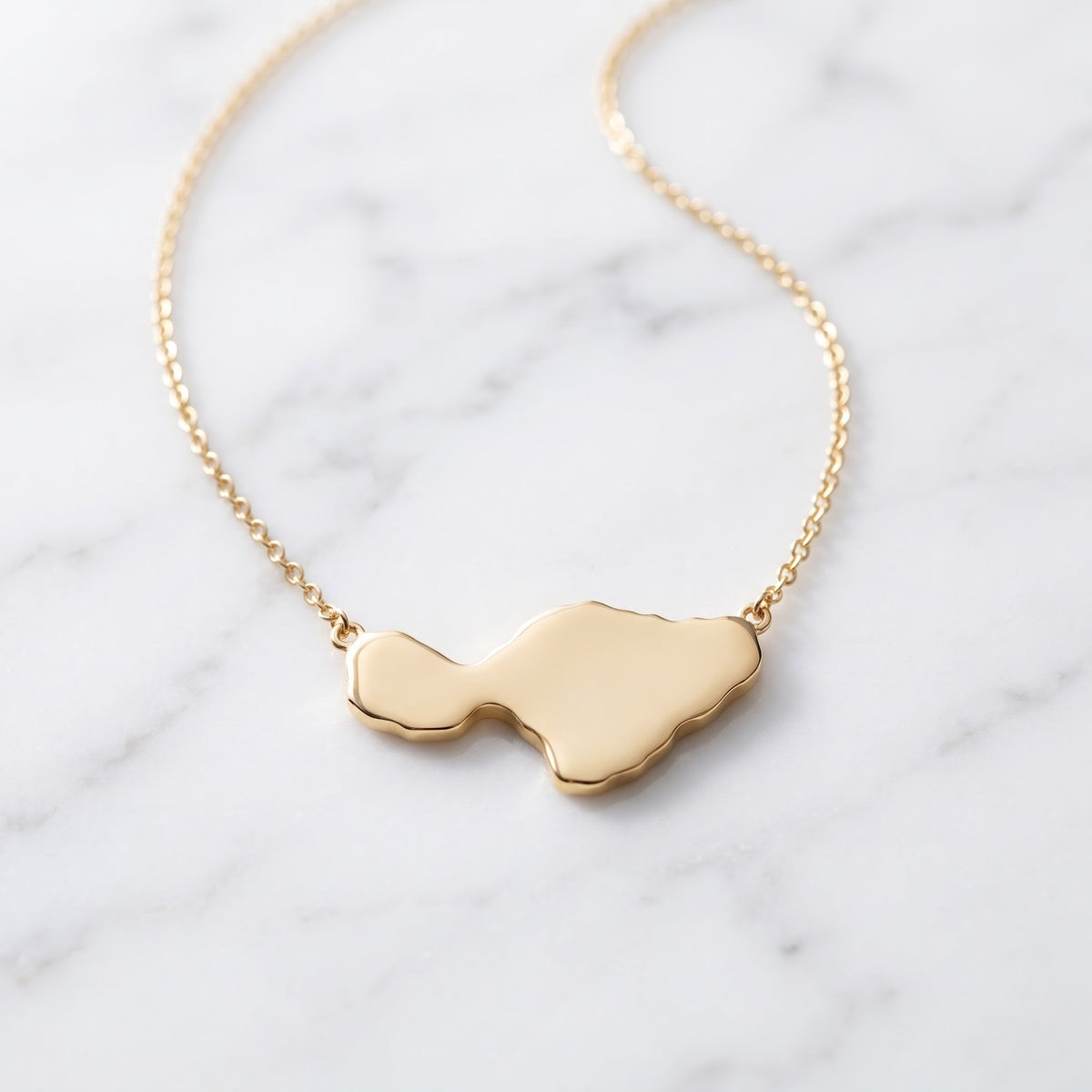
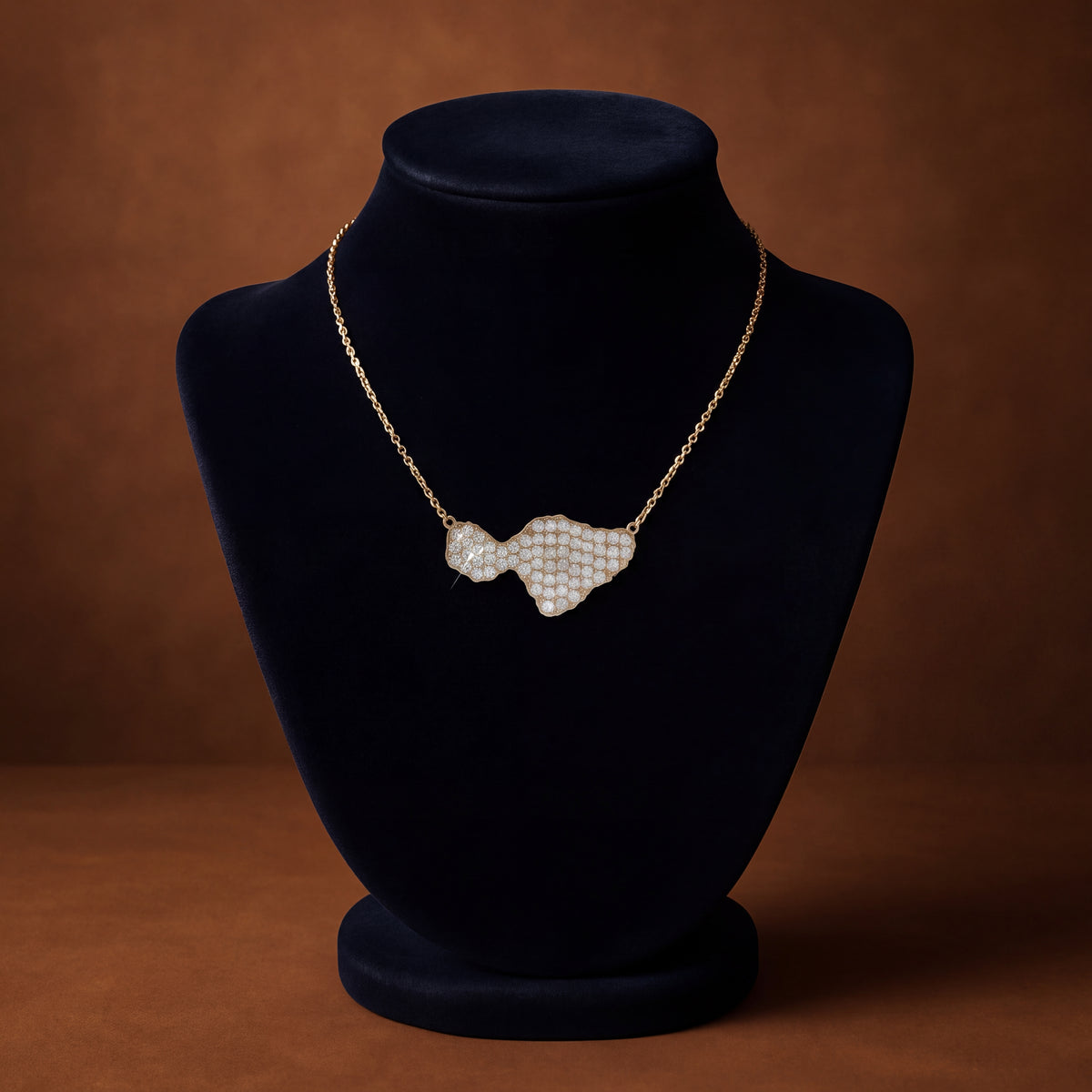
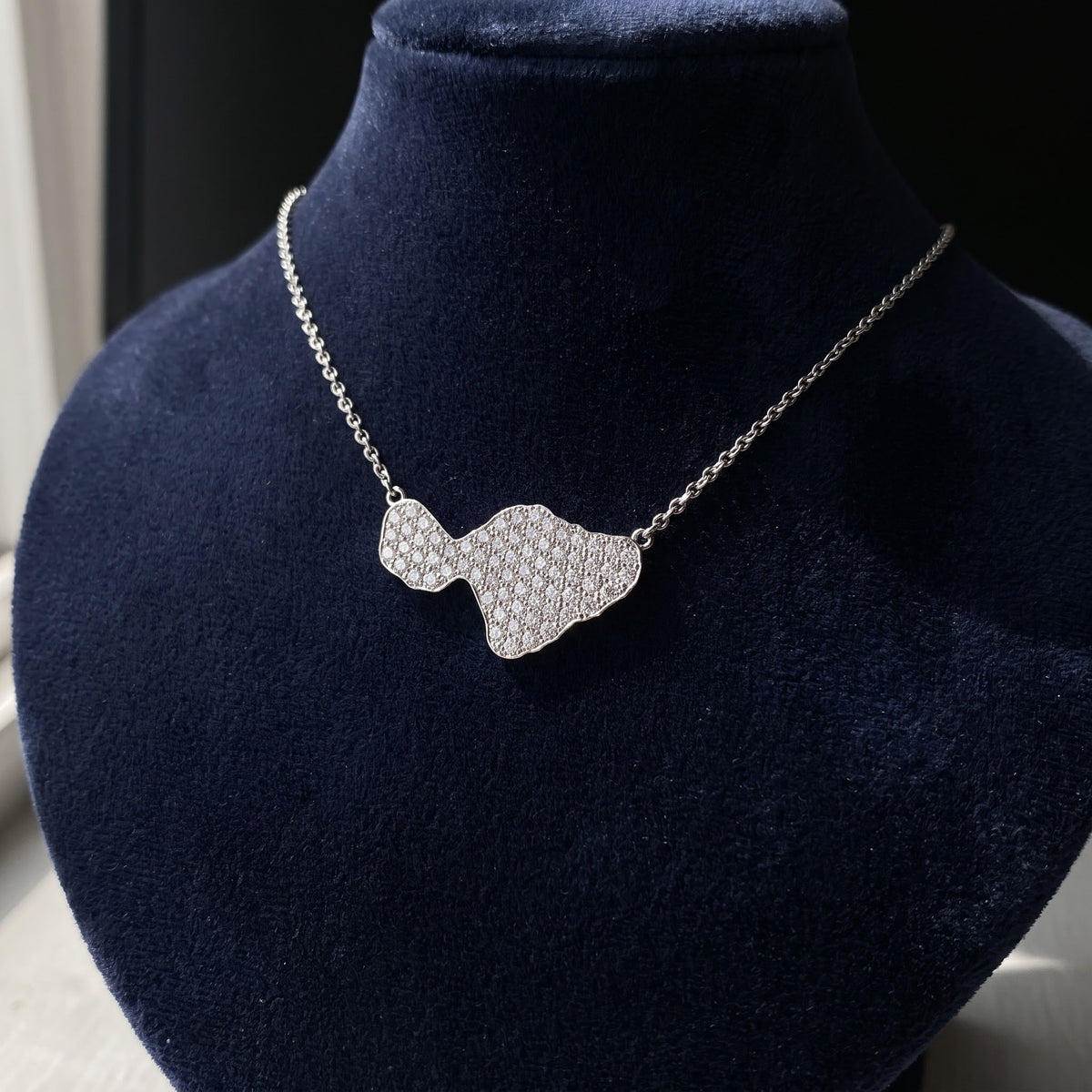
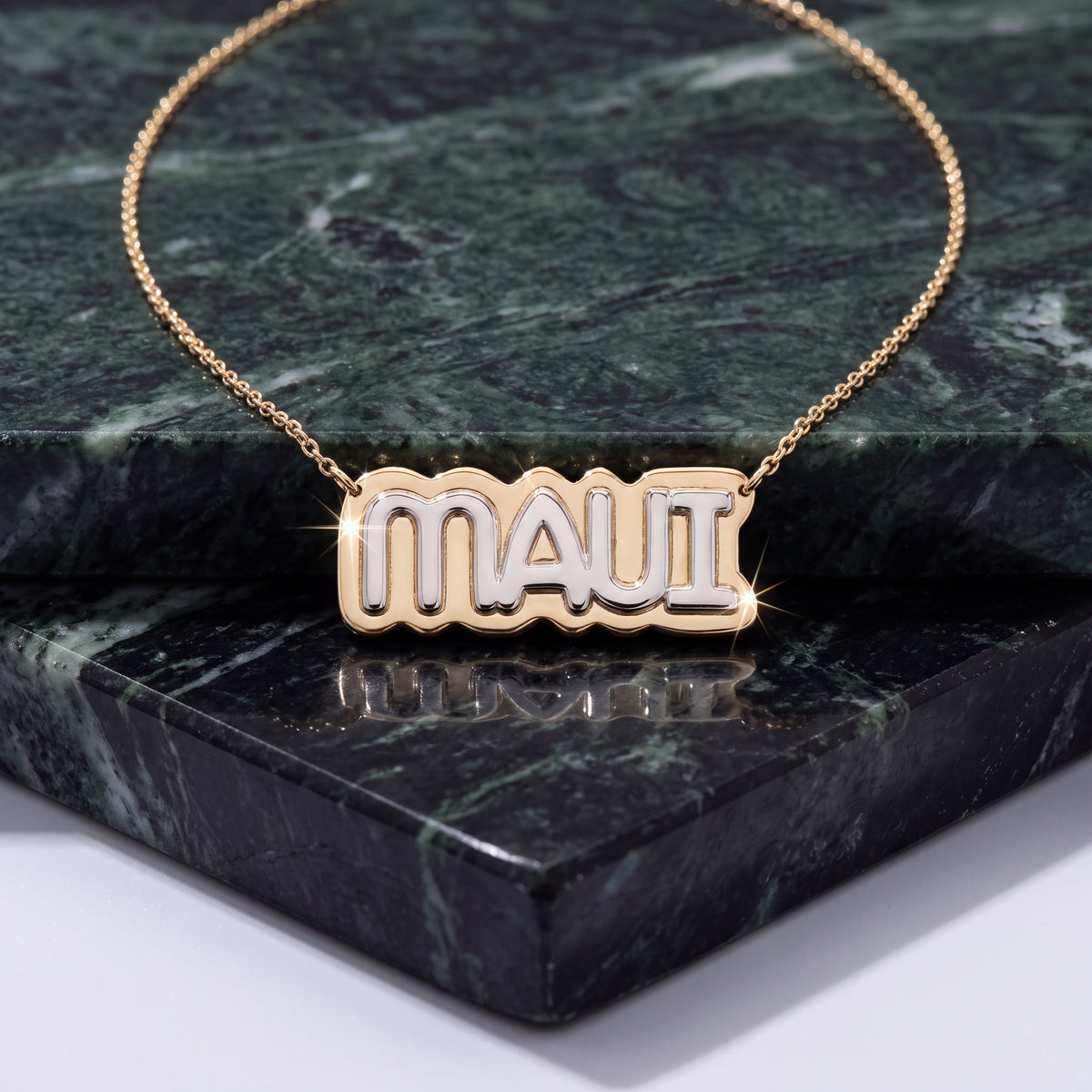
Hawaiʻi is a chain of eight main islands, and Maui is the second largest. An outline of the islands, or of Maui alone, is a way to carry the place home.

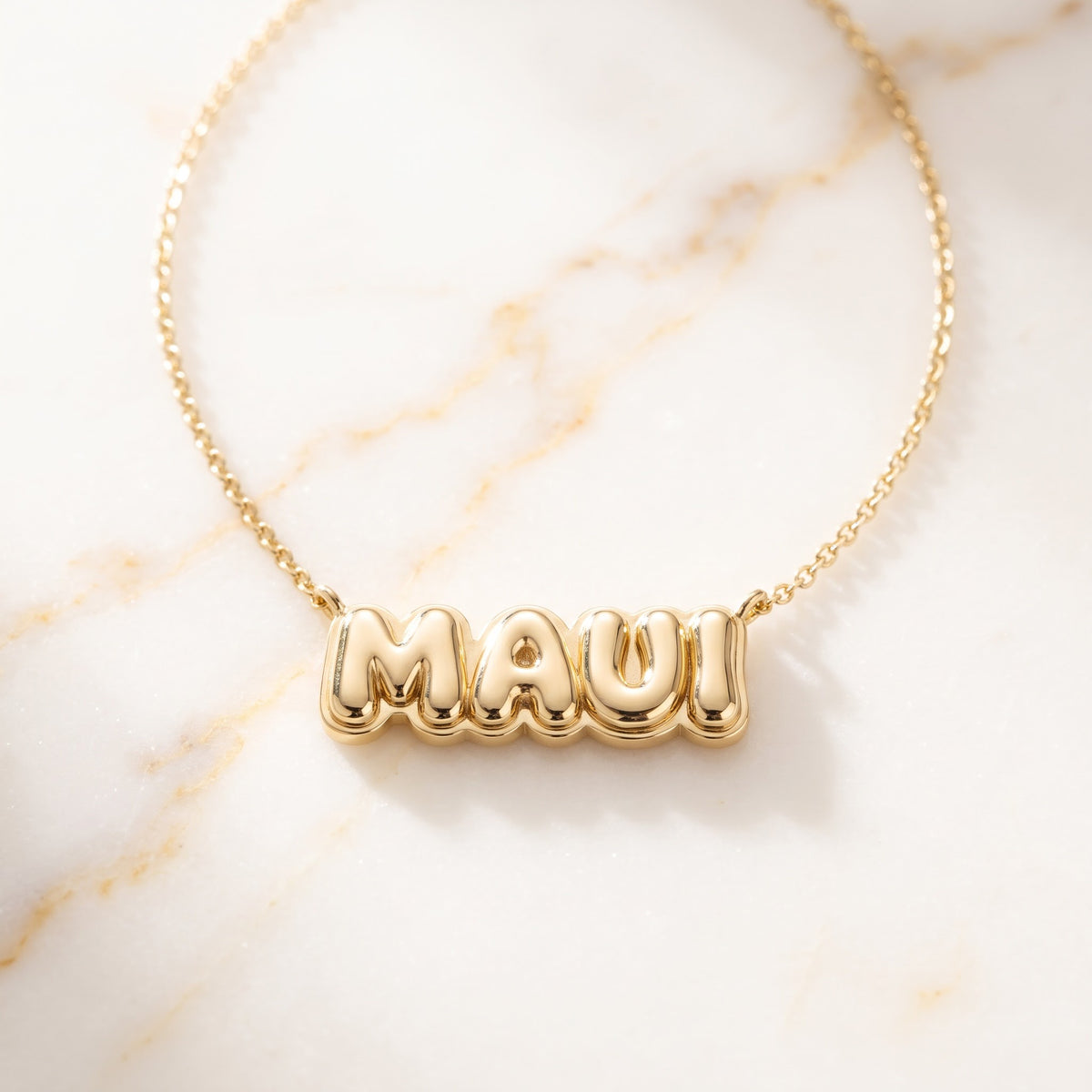
One Hawaiian tradition says the navigator Hawaiʻiloa named the island of Maui for his son, who was named for the demigod Māui.

Stories of how the islands got their names differ from source to source.

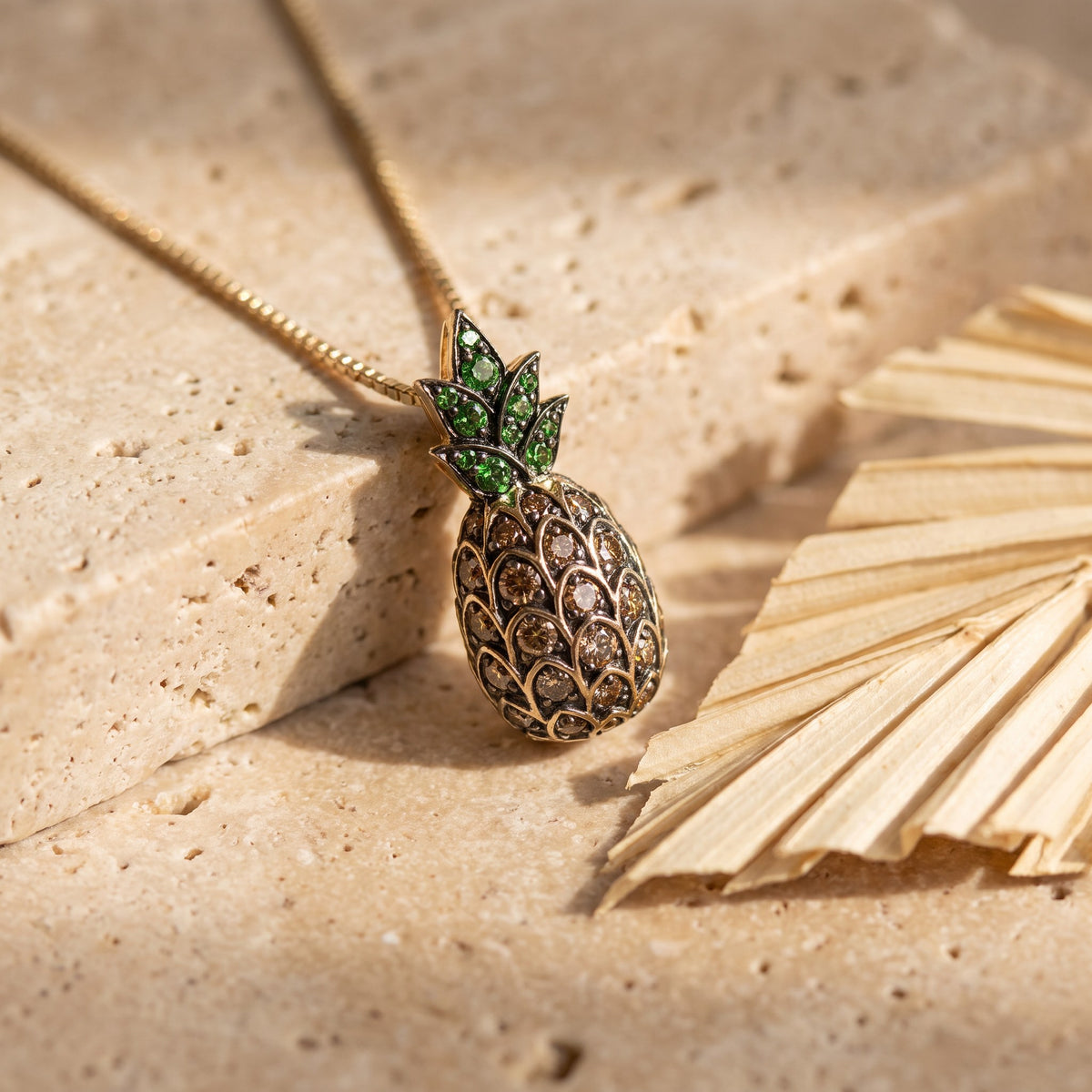
Pineapple Hala kahiki

Arrived by 1813

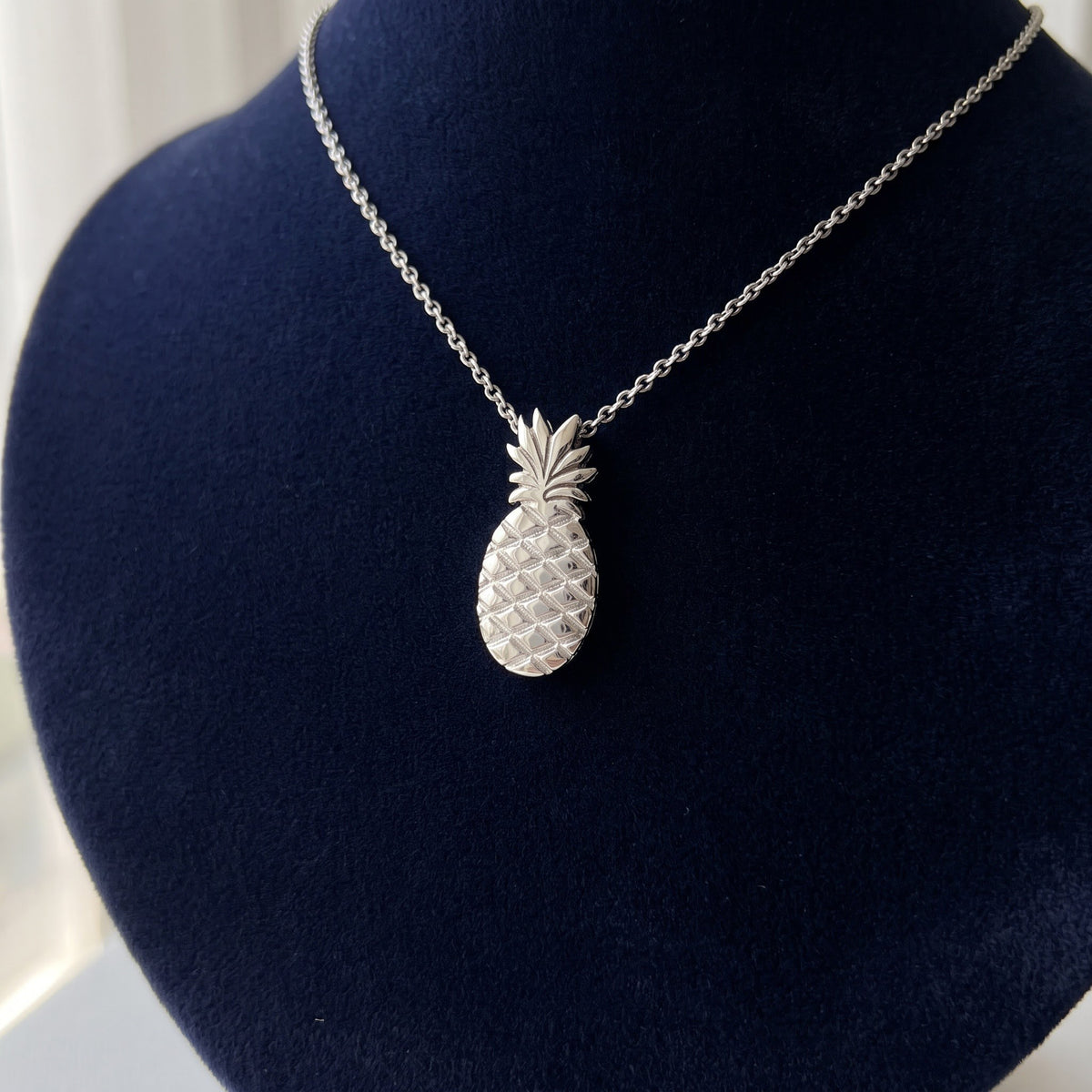
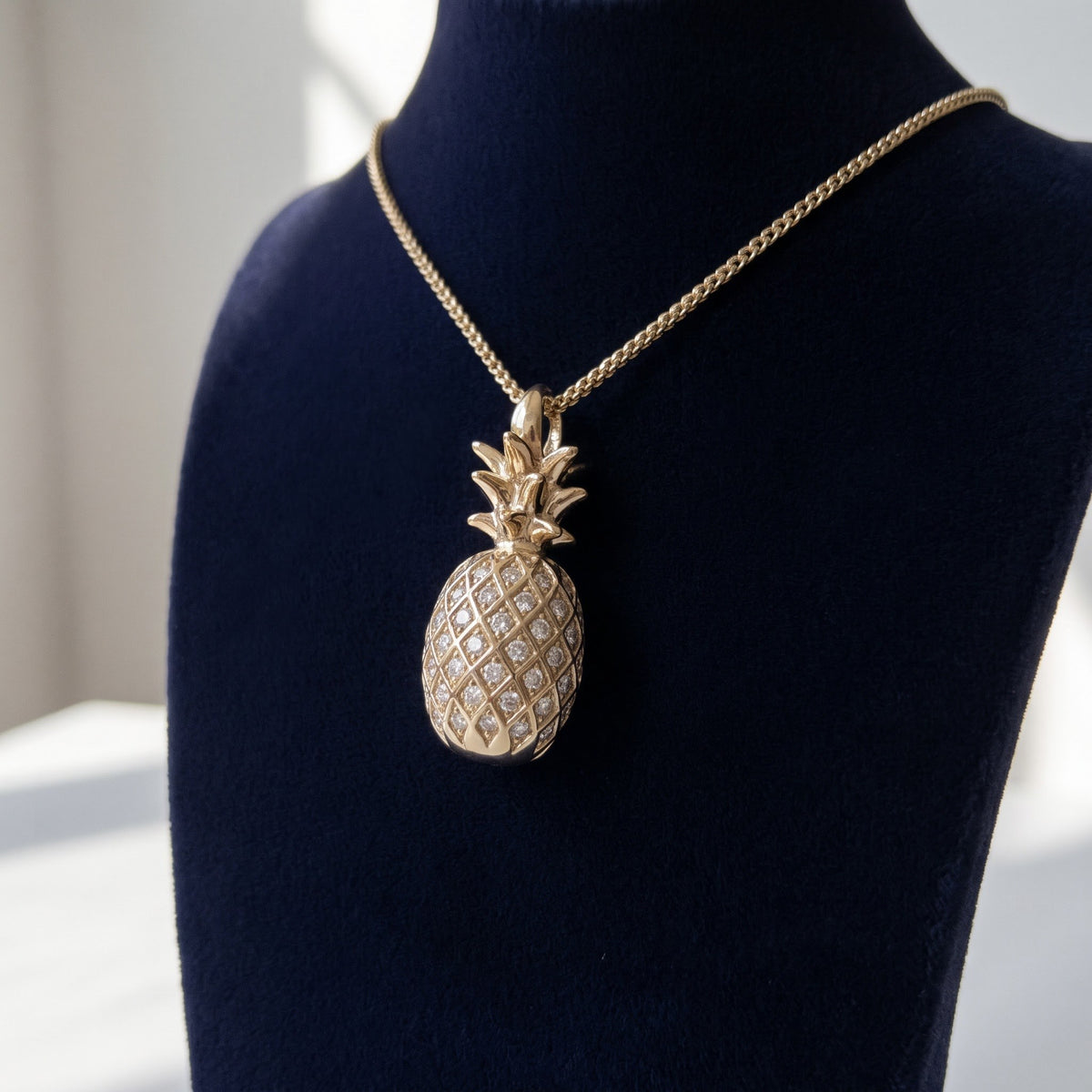
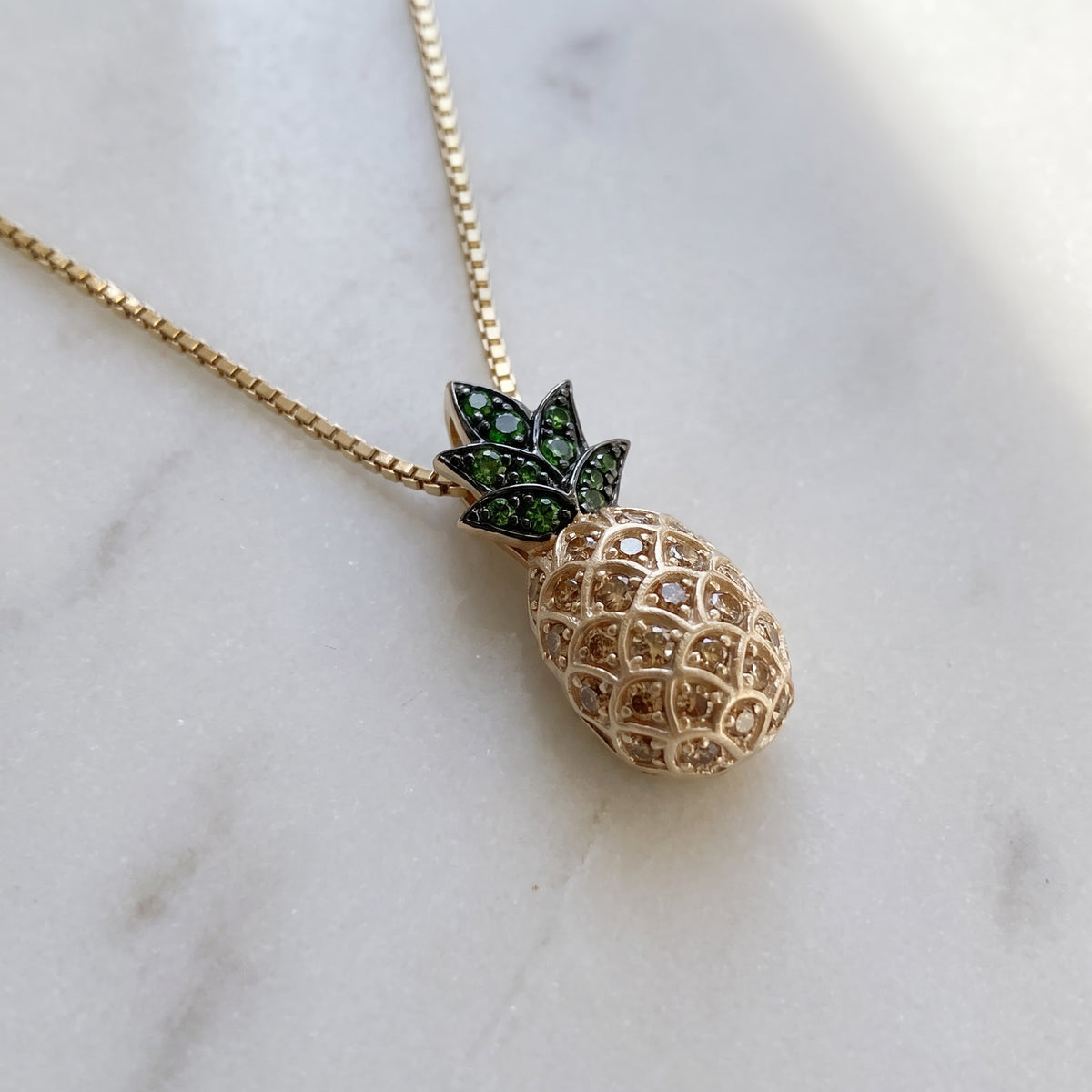
Hawaiians named the pineapple hala kahiki, foreign hala. It reached the islands by 1813 and became the symbol of Hawaiʻi's plantation era in the 1900s.

Its meaning of welcome comes from colonial America and Britain, where the fruit was rare and costly.

It is not a traditional Hawaiian symbol, and for some Hawaiian families it also recalls plantation labor.

Every piece here is in the case at the Shops at Wailea, open daily from 10am to 9pm. Come in and try one on, or book a video call from home.