


Caring for jewelry in salt water and sun
Take rings, pearls and opals off before the ocean, a pool or sunscreen, and rinse everything else in fresh water when you are done for the day. Gold, platinum, diamonds, sapphires and rubies cope well with a Maui vacation; pearls, opals, emeralds, tanzanite and turquoise need more care.
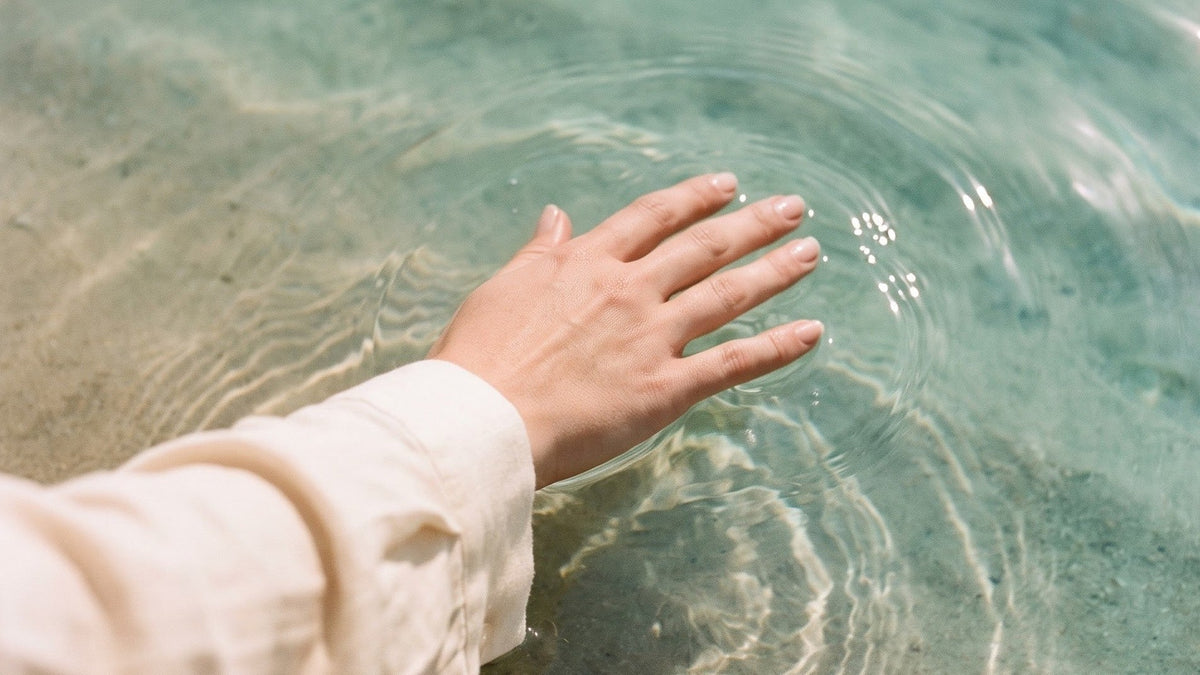
A day on Maui can mean salt water, a pool, sand, sunscreen and strong sun, all before dinner. Most fine jewelry comes through that well. A few habits keep it that way, and a few pieces need more care than the rest.
Before the beach or pool
Take off
- Rings, before you swim. Cold water makes fingers smaller, and a ring can slip off without you feeling it.
- Pearls, opals and turquoise, and anything with a shell or stone inlay.
- Anything you would hate to lose in the surf.
Fine to keep on
- Stud earrings with secure backs.
- A gold or platinum chain you wear every day.
- Anything you are happy to rinse in fresh water at the end of the day.
Salt water and chlorine
Solid gold and platinum handle the ocean better than silver or plated pieces, which tarnish or lose their finish. The bigger nuisance is what comes out of the water with them: sand, sunscreen and salt that dry into the setting. Rinse jewelry in fresh water when you come in from the ocean, and dry it.
Pool and hot tub water is harder on jewelry. Chlorine attacks the other metals mixed into karat gold, and over time that can weaken prongs. Hot tubs, with heat and stronger chemicals, are worse than a pool. Platinum is barely affected. GIA, the Gemological Institute of America, lists chlorine among the chemicals that damage pearls.
Sand
Sand is abrasive, and both gold and platinum are soft metals: rub a ring in sand and the metal scuffs. Pearls, coral and opal are softer still. On the Mohs scale, which ranks how easily one material scratches another from 1 to 10, gold sits around 2.5 to 3 and platinum around 4 to 4.5. Diamond is 10, and sapphire and ruby are 9, so the stones themselves cope better than the metal around them.
Sunscreen and lotion
Put sunscreen on first and let it dry, then put your jewelry on. GIA advises putting pearls on after lotions and cosmetics, because the chemicals in them can damage a pearl's surface for good, and taking turquoise off before sunscreen. On diamonds and other gems, lotion and sand collect behind the stone and around the prongs, where they dull the sparkle until the piece is cleaned.

Sun and heat
Most stones are unaffected by sunshine. A few are not. Kunzite can fade in sunlight. Amethyst can fade or crack in high heat. Opal and tanzanite are sensitive to heat and sudden changes of temperature, and strong light and heat can dry out a pearl's surface until it cracks. Keep those pieces out of a hot car and off a sunny windowsill.
Stone by stone
The numbers are Mohs hardness, from the International Gem Society.
- Diamond
- 10. The hardest gem, though a hard knock can still chip it. Warm, soapy water is all it needs.
- Sapphire and ruby
- 9. Sturdy for everyday wear and for the beach.
- Emerald
- 7.5 to 8. Most emeralds have been treated with oil or resin, so keep them away from heat, steam and ultrasonic cleaners.
- Tanzanite
- 6.5 to 7. Sensitive to heat and vibration: no ultrasonic cleaner, no knocks.
- Opal
- 5.5 to 6.5. Sensitive to heat, pressure and sudden temperature changes.
- Turquoise
- 5 to 6. Porous: take it off before sunscreen and lotion.
- Pearl
- 2.5 to 4.5. On last, off first. Wipe pearls with a soft cloth after each wearing.
- Gold
- About 2.5 to 3. Scuffs in sand; chlorine attacks the alloy metals in it.
- White gold
- Usually plated with rhodium for its bright white color. The plating wears with time and can be renewed.
- Platinum
- About 4 to 4.5. Little affected by chlorine.


 Black Tahitian Pearl Solitaire Ring in 14K Yellow Gold
 Opal Inlay Sea Turtle Pendant in 14K Yellow Gold
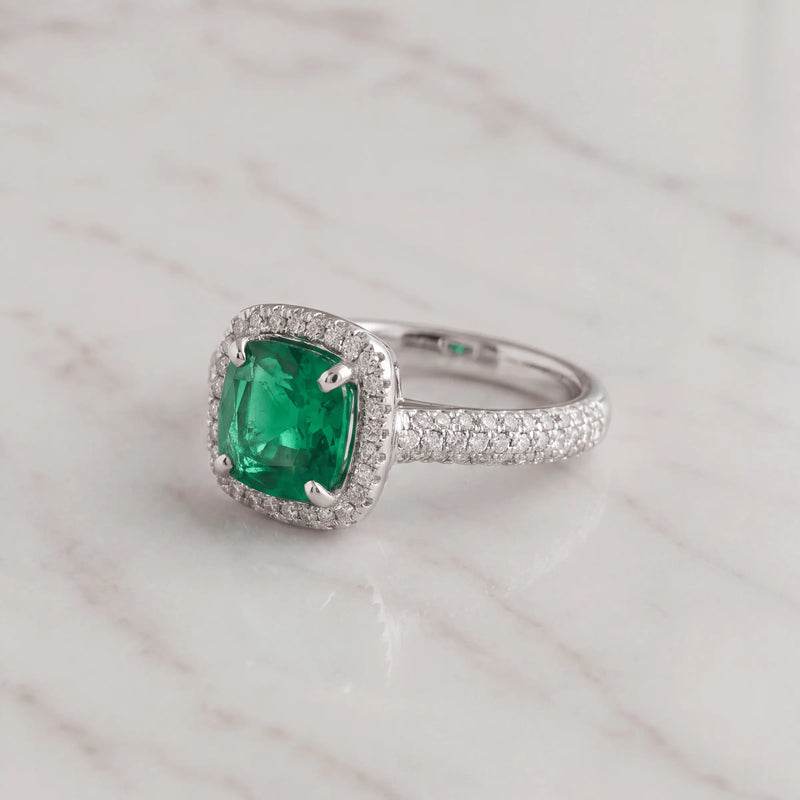
 White Gold Cushion Emerald and Diamond Pavé Cocktail Ring
Cleaning it at home
- Fill a bowl with warm waterAdd a few drops of mild dish soap. Work over a bowl instead of the open sink, so a loose stone cannot go down the drain.
- Brush gentlyUse a soft toothbrush kept for jewelry, behind the stone and around the prongs.
- Rinse in clean waterA second bowl of clean, warm water.
- Dry with a soft clothPat it dry. Let a strung pearl necklace dry completely before you wear it.
Skip toothpaste, bleach and anything with chlorine. Wipe pearls with a soft cloth instead of washing them often, and keep pearls, emeralds, opals, tanzanite and turquoise out of ultrasonic and steam cleaners.
Greenleaf Diamonds is fantastic! I needed some new prongs on my engagement ring from originally purchased from Greenleaf. They were so quick to get the ring back to me and very communicative. They also have extremely fair prices. Looking forward to our next purchase from Greenleaf. Thank you Andre!
What we would do: take rings off before the ocean or the pool, rinse everything in fresh water at the end of the day, and bring your pieces in for a cleaning and safety check whenever you are back on the island.
Cleaning and checks with us
Everything bought from us comes with cleaning and safety checks for as long as you own it: we clean the piece and check the settings and stones so nothing is lost. That care does not cover resizing, repairs or re-plating. See lifetime care, and our repairs page for anything that needs more than a clean.
Jewelry insurers suggest having prongs and clasps checked every six months, and more often for a ring you wear every day.
Sources
- GIA: pearl care and cleaning and opal care
- GIA: how to clean jewelry and which gems to keep out of ultrasonic cleaners
- GIA: traveling with jewelry
- International Gem Society: gems by Mohs hardness and gemstone care
- Chlorine and karat gold (summary of the Hoover & Strong study)
- Jewelers Mutual: how a ring should fit
- Chubb: caring for pearls and precious stones
Pieces in this guide
-
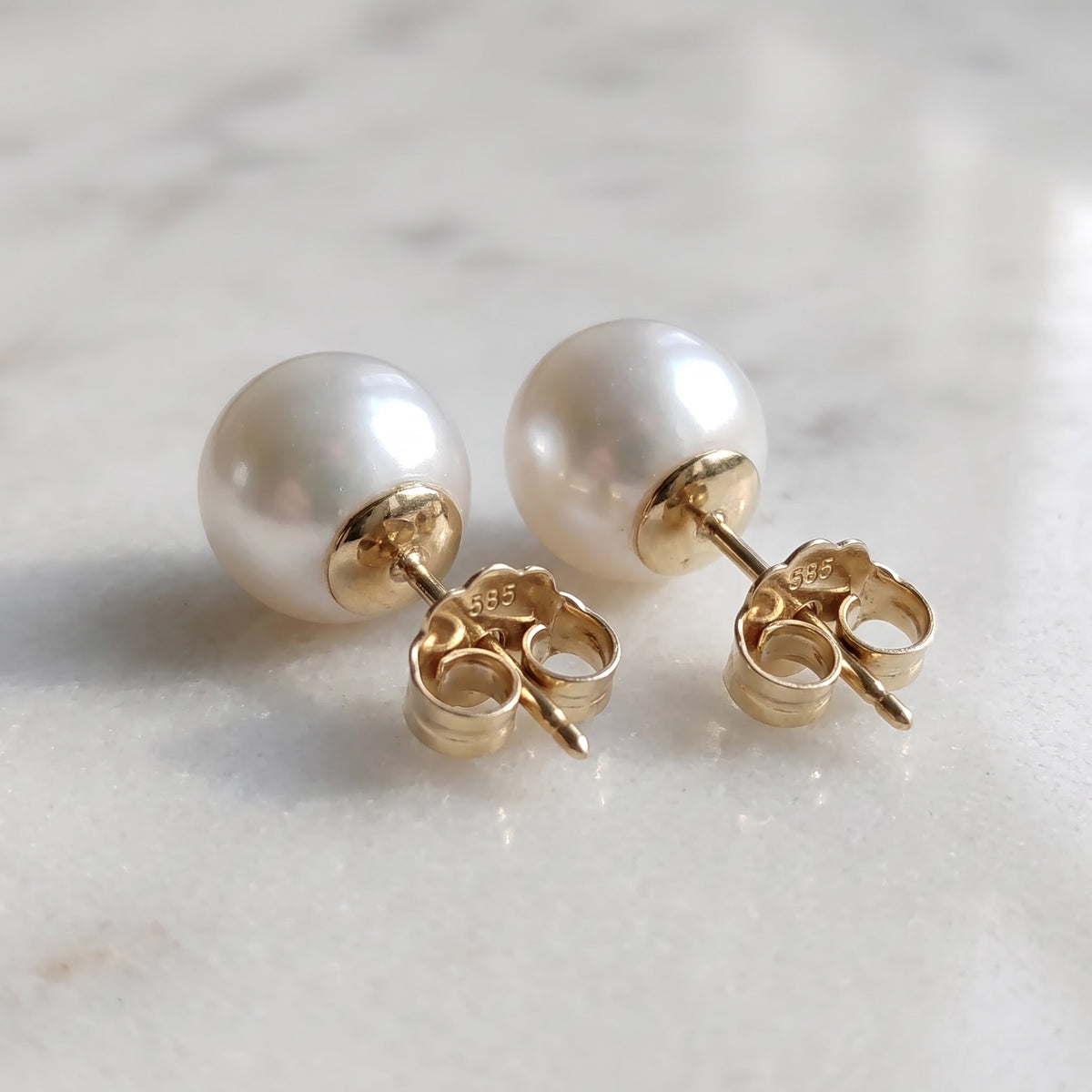 Classic White South Sea Pearl Stud Earrings in 14K Yellow Gold$1,656
-
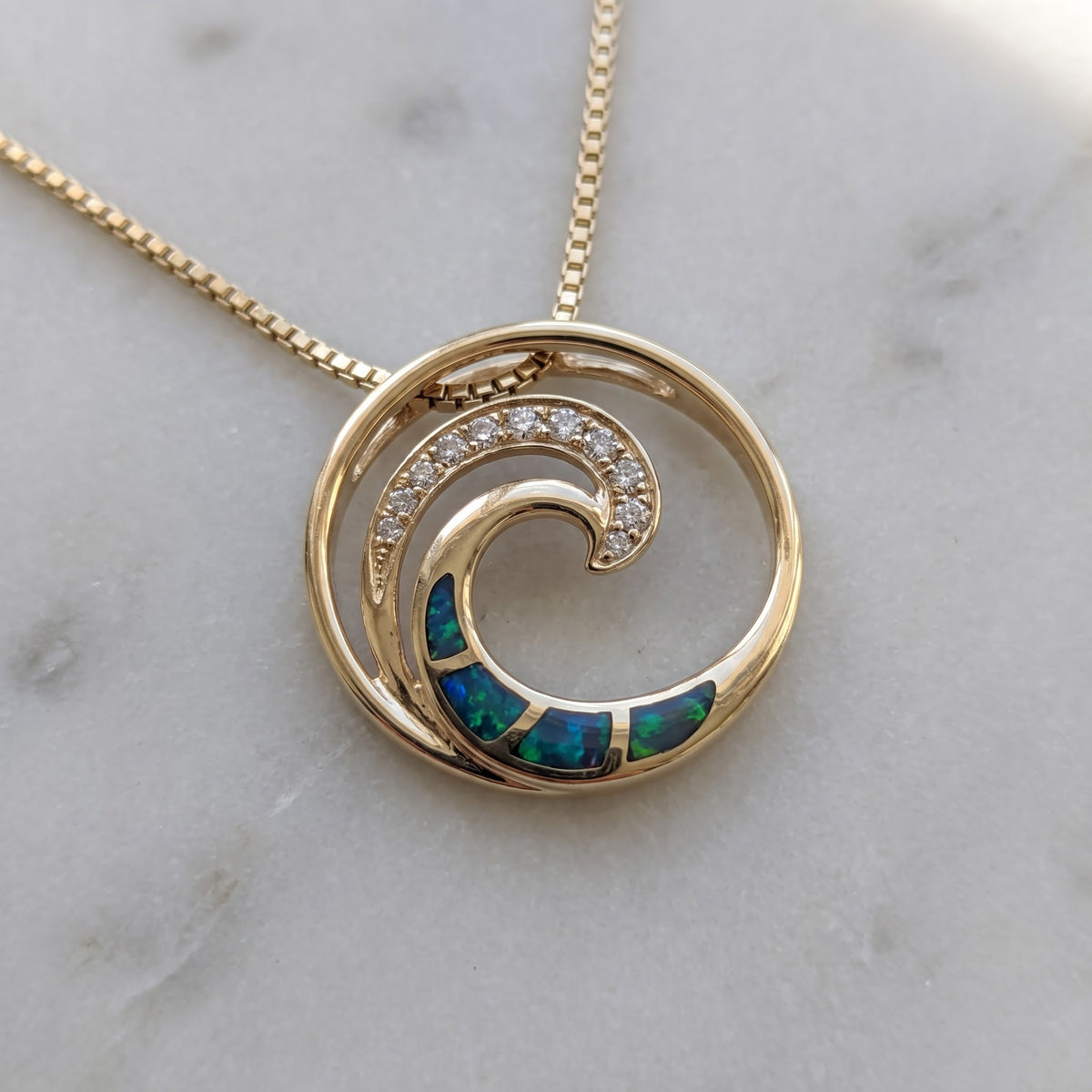 Opal Inlay and Diamond Wave Pendant Necklace in 14K Yellow Gold$1,668
-
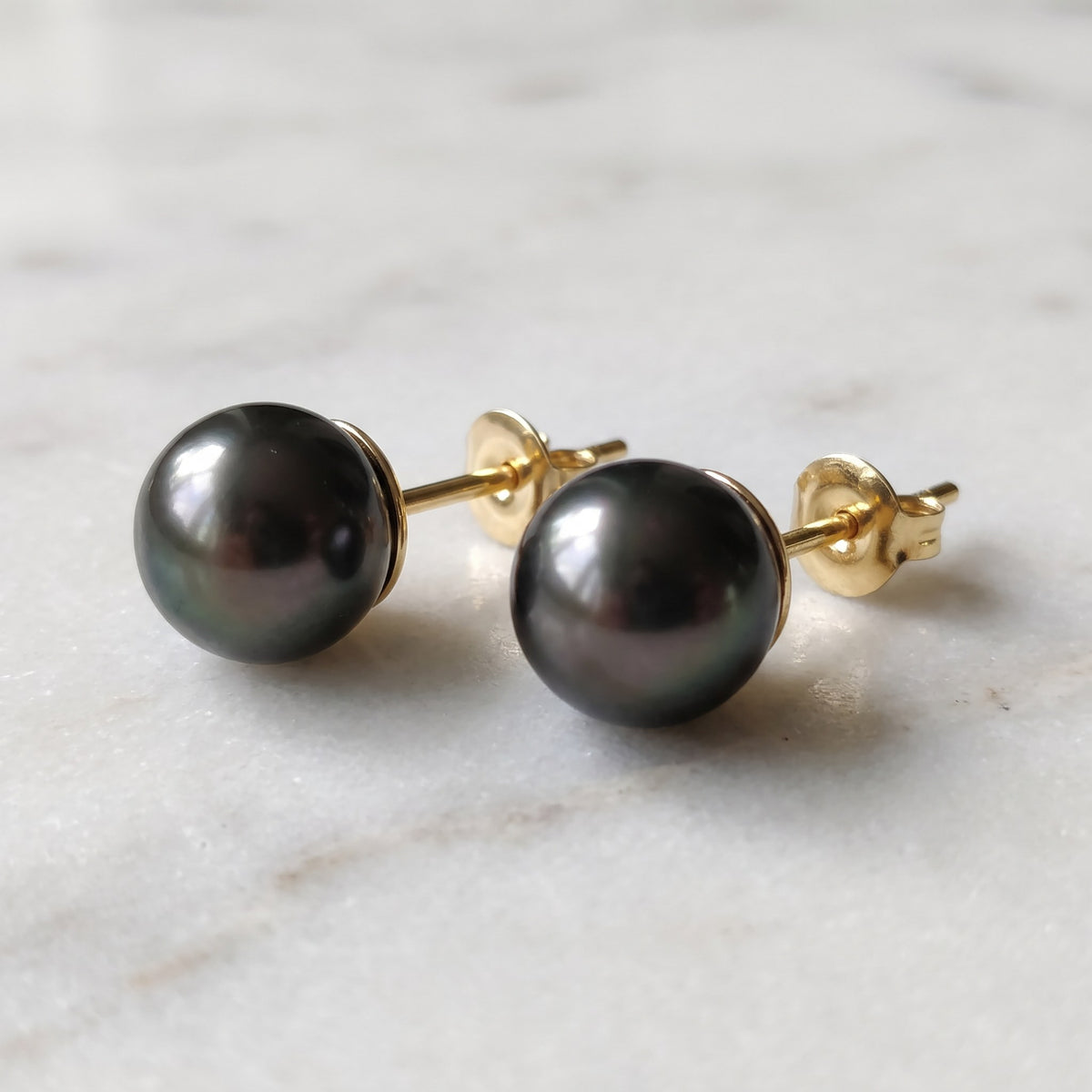 Black Tahitian Pearl Stud Earrings in 14K Yellow Gold$436
-
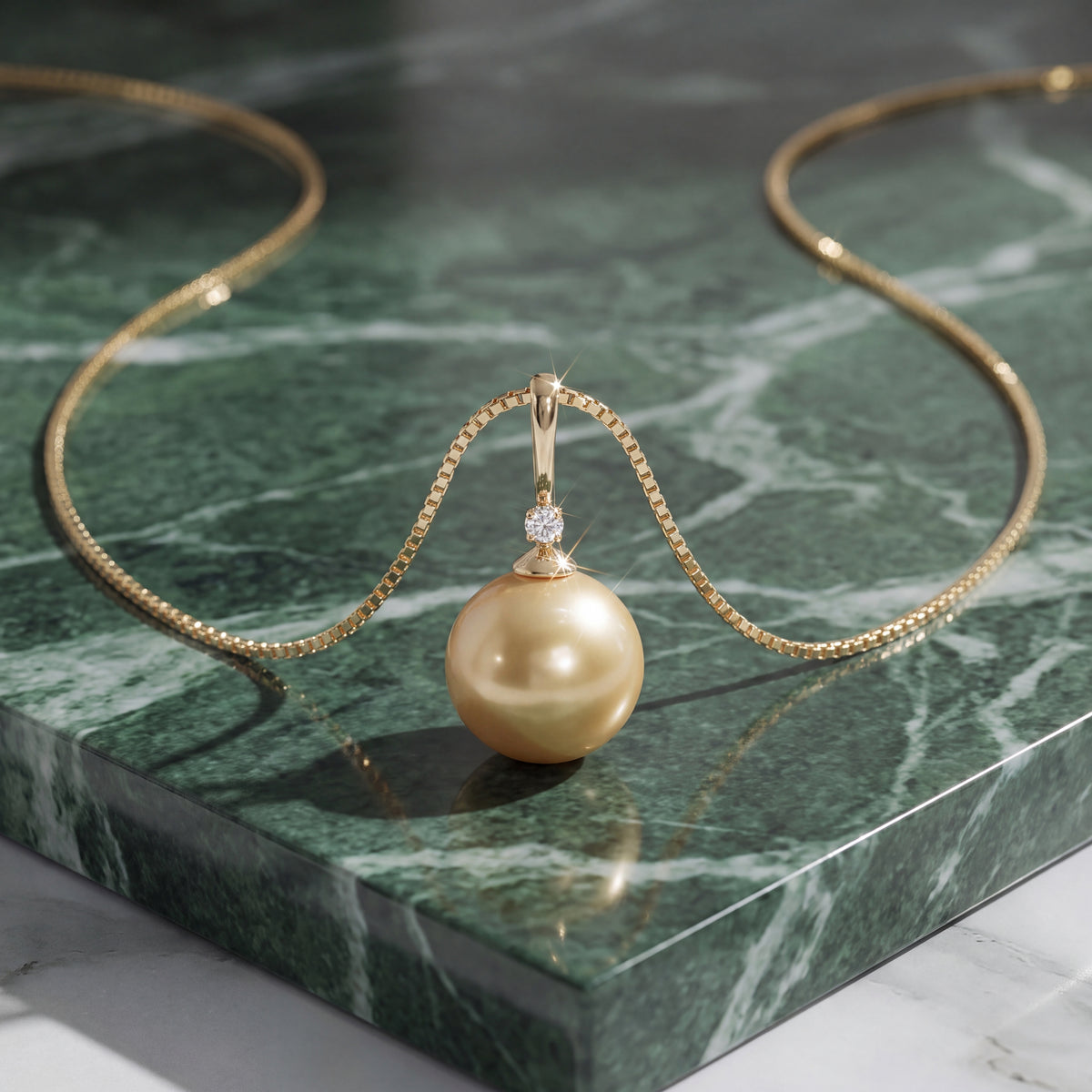 Golden Pearl and Diamond Pendant Necklace in 14K Yellow Gold$3,046
-
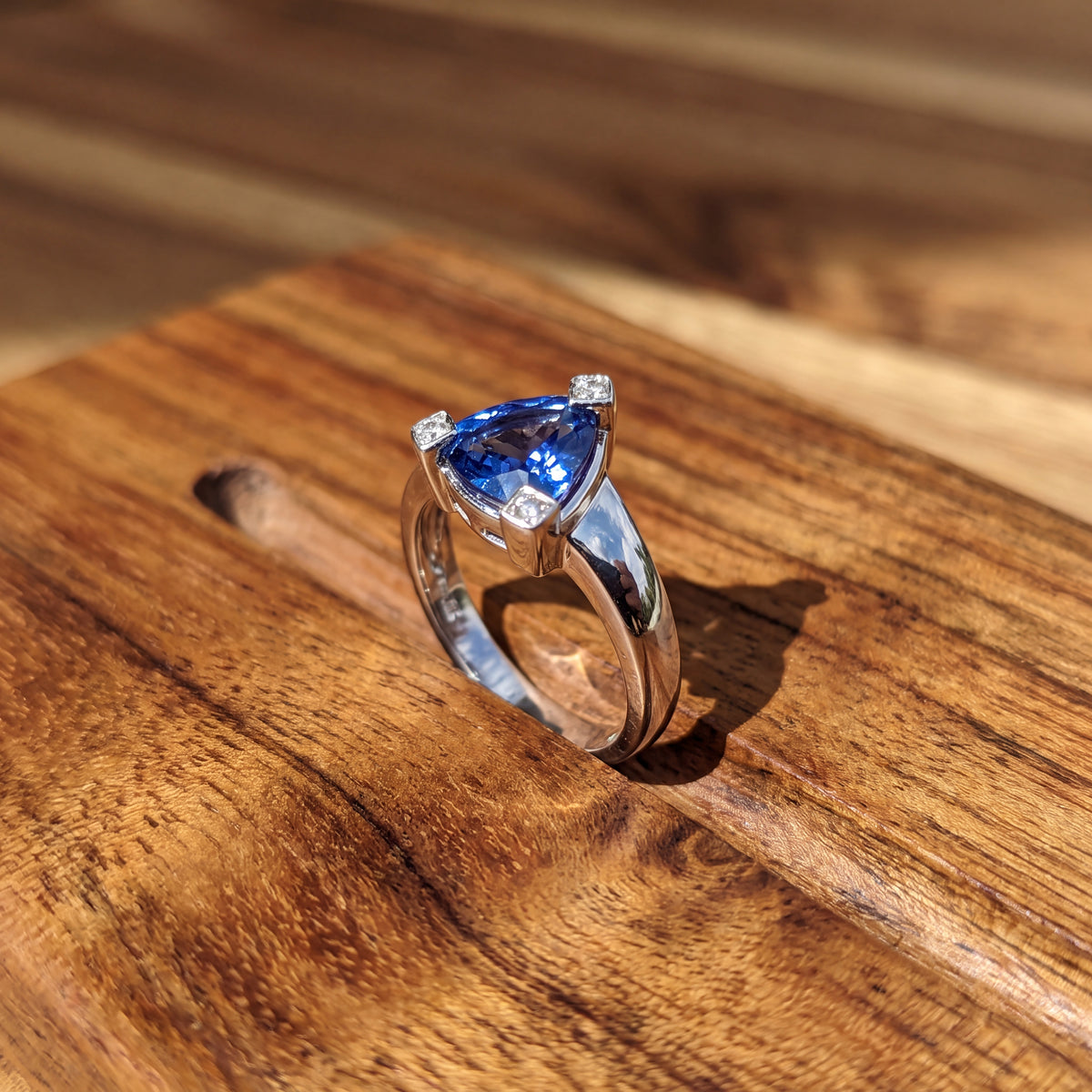 1.75 ct Trillion-Cut Tanzanite Solitaire Ring in 14K White Gold$1,839
-
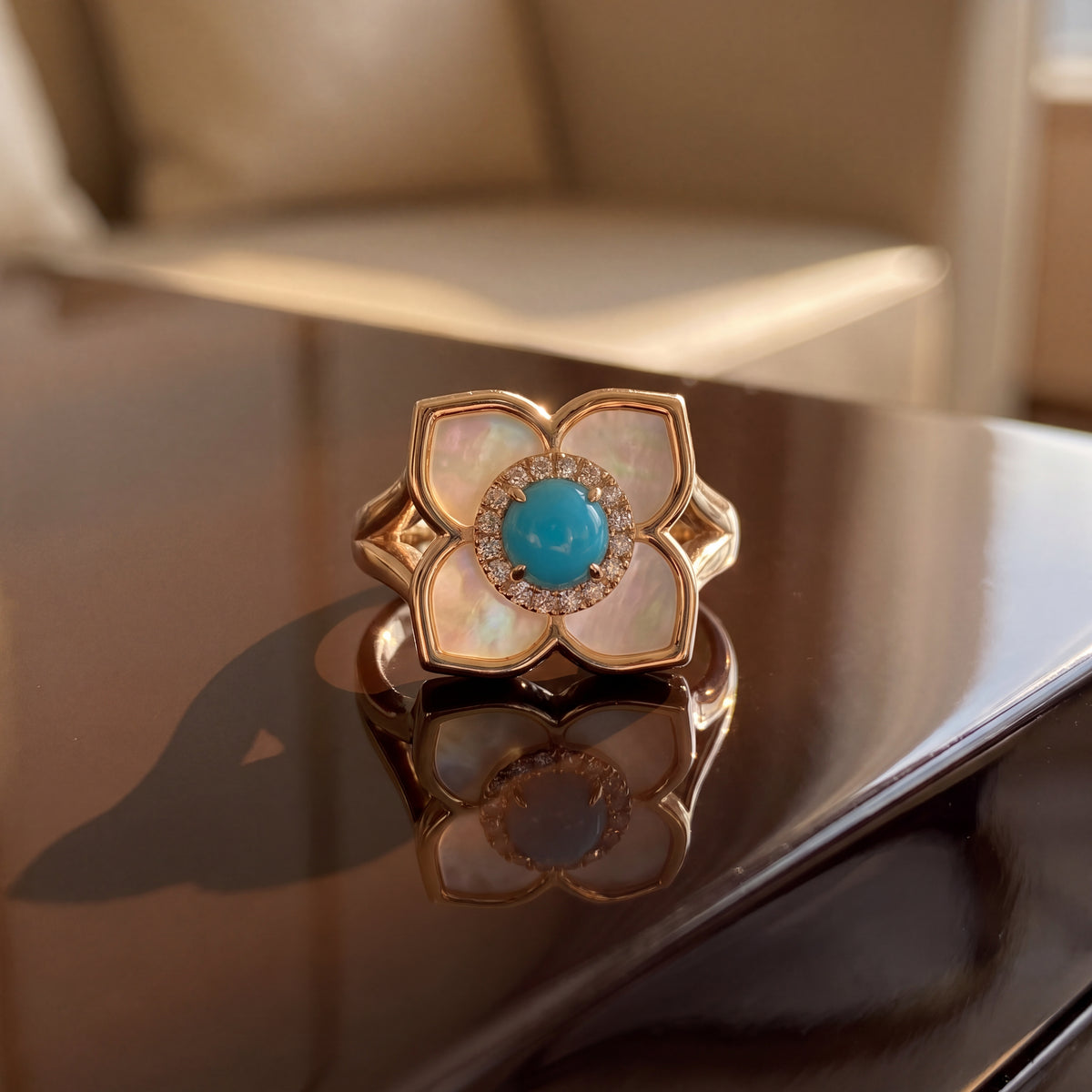 0.59 ct Turquoise and Mother of Pearl Floral Cocktail Ring in 18K Yellow Gold$3,924
Common questions
Can I wear gold jewelry in the ocean?
Solid gold and platinum handle the ocean better than silver or plated pieces. Rinse them in fresh water afterwards, and take rings off before you swim: cold water makes fingers smaller and a ring can slip off.
Is pool chlorine bad for jewelry?
Yes, over time. Chlorine attacks the other metals mixed into karat gold and can weaken prongs; hot tubs are harsher than pools. Chlorine also damages pearls. Platinum is barely affected.
Can I wear pearls to the beach?
Better not. Pearls are soft, and sunscreen, lotion and chlorine can damage their surface. Put pearls on last, take them off first, and wipe them with a soft cloth after wearing.
How do I clean jewelry at home?
Warm water with a few drops of mild dish soap, a soft toothbrush kept for jewelry, a rinse in a bowl of clean water and a soft cloth to dry. Skip toothpaste, bleach and chlorine.
Can the sun damage gemstones?
Some. Kunzite can fade in sunlight, amethyst can fade or crack in high heat, and opal, tanzanite and pearls are sensitive to heat. Keep them out of a hot car and off a sunny windowsill.
What does Greenleaf's lifetime care include?
Cleaning and safety checks on pieces bought from us, for as long as you own them. It does not cover resizing, repairs or re-plating.
More guides
-
 How long does a custom ring take?It depends on the design, the stone and your date, so the timing is agreed with you before any work begins. Tell...
-
 Ring resizing before your flight homeMost rings can be resized, but a ring that feels tight in Maui heat may fit at home, so check the size...
-
 Lab-grown or natural diamond?A laboratory-grown diamond is a real diamond with the same chemical, physical and optical properties as a natural one; the difference is...

Every piece on our site is in the case at the Shops at Wailea, open daily from 10am–9pm. Come in and try it on, call us at (808) 874-1118, or book a video call from home.