


Lab-grown or natural diamond?
A laboratory-grown diamond is a real diamond with the same chemical, physical and optical properties as a natural one; the difference is where and how it formed. Only lab equipment can tell them apart, so ask which one you are buying and check the grading report.
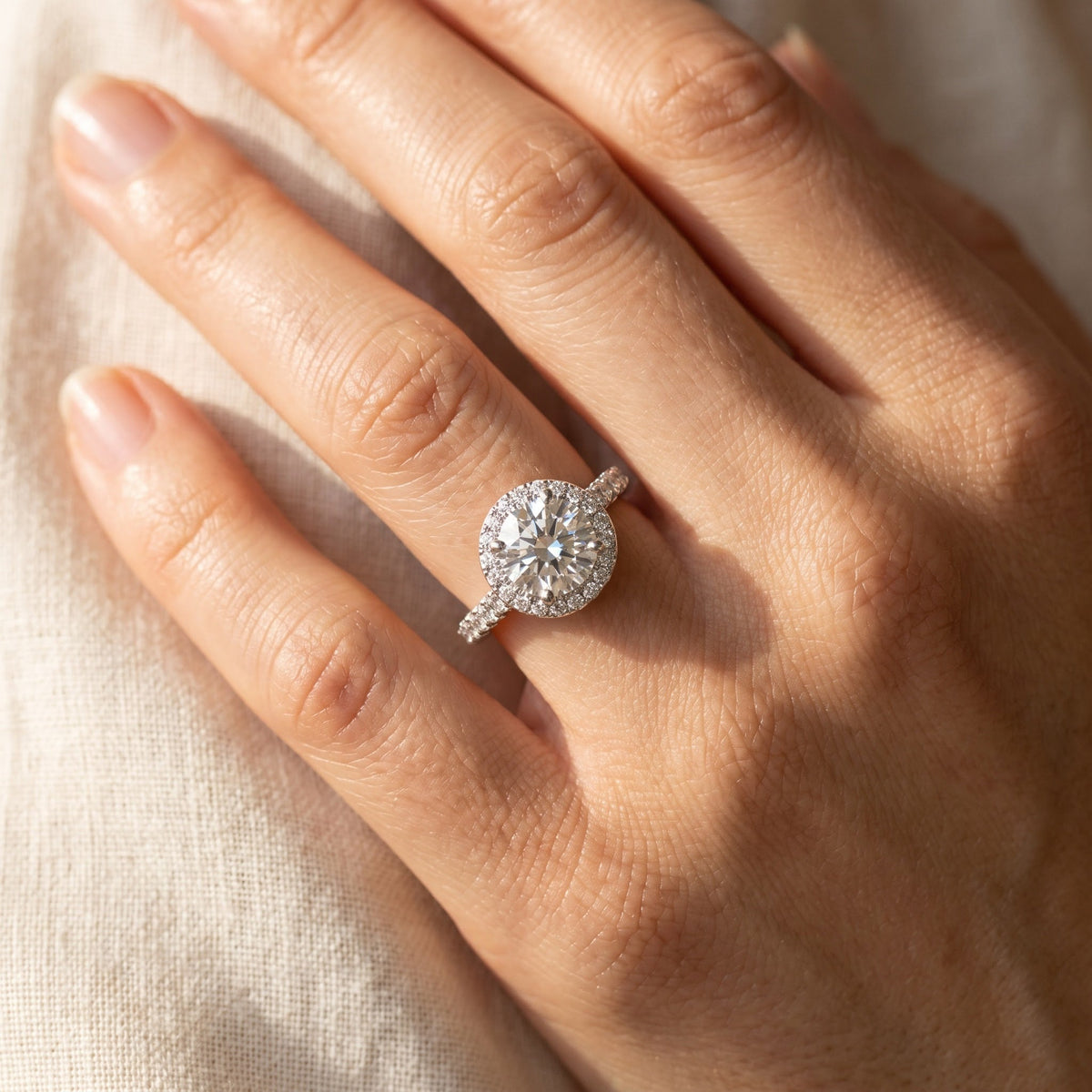
A laboratory-grown diamond is a real diamond. It is made in weeks in a lab instead of formed over millions of years underground. Which one is right for you is a personal choice; this guide sets out the facts so you can make it.
What is the same
GIA, the Gemological Institute of America, says laboratory-grown diamonds have essentially the same chemical, physical and optical properties as natural diamonds. Both are carbon in the same crystal structure, both are hardness 10, and both sparkle the same way. Since 2018 the US Federal Trade Commission's definition of a diamond no longer requires it to be natural.
What is different
Natural
- Formed deep in the earth over millions to billions of years.
- Mined, then cut and polished.
- Graded by GIA on the D to Z color and FL to I3 clarity scales.
Laboratory-grown
- Grown in weeks, by high pressure and high temperature or from a carbon-rich gas.
- Cut and polished the same way.
- Since October 2025, GIA describes them as Premium or Standard instead of using the D to Z scale.
Cubic zirconia and moissanite are different materials. They are simulants, and they are not diamonds at all.
Telling them apart
You cannot tell a natural diamond from a laboratory-grown one by eye or with a jeweler's loupe. It takes lab equipment that looks at how the crystal grew. A grading report from a gem lab states which one a diamond is.

What a seller must tell you
Under the FTC's Jewelry Guides, a laboratory-grown diamond has to be described clearly, with a word like "laboratory-grown" or "laboratory-created" placed right before "diamond" and just as prominent. Words like "real", "genuine" and "natural" may not be used for a stone made in a lab. If a description just says "diamond", ask.
Grading reports
A grading report describes a loose diamond: its measurements and its grades, and whether it is natural or laboratory-grown. It does not say what the diamond is worth. GIA reports carry a number you can check online with GIA's Report Check, and GIA laser-inscribes every laboratory-grown diamond it grades with the words "Laboratory-Grown".
Our diamonds
None of the pieces on our site are described as laboratory-grown. If you have a question about a particular stone, ask us before you buy, and we will tell you what we know about it.
 2.00 ct Round Brilliant Diamond Pavé Engagement Ring in 14K White Gold
 2.20 ct Three-Stone Oval Diamond Ring in 14K White Gold
 9.04 ct Classic Round Diamond Tennis Bracelet in 14K White Gold
What we would do: decide what matters to you, the origin, the size or the budget, then compare stones with the same cut and grades side by side.
Sources
Pieces in this guide
-
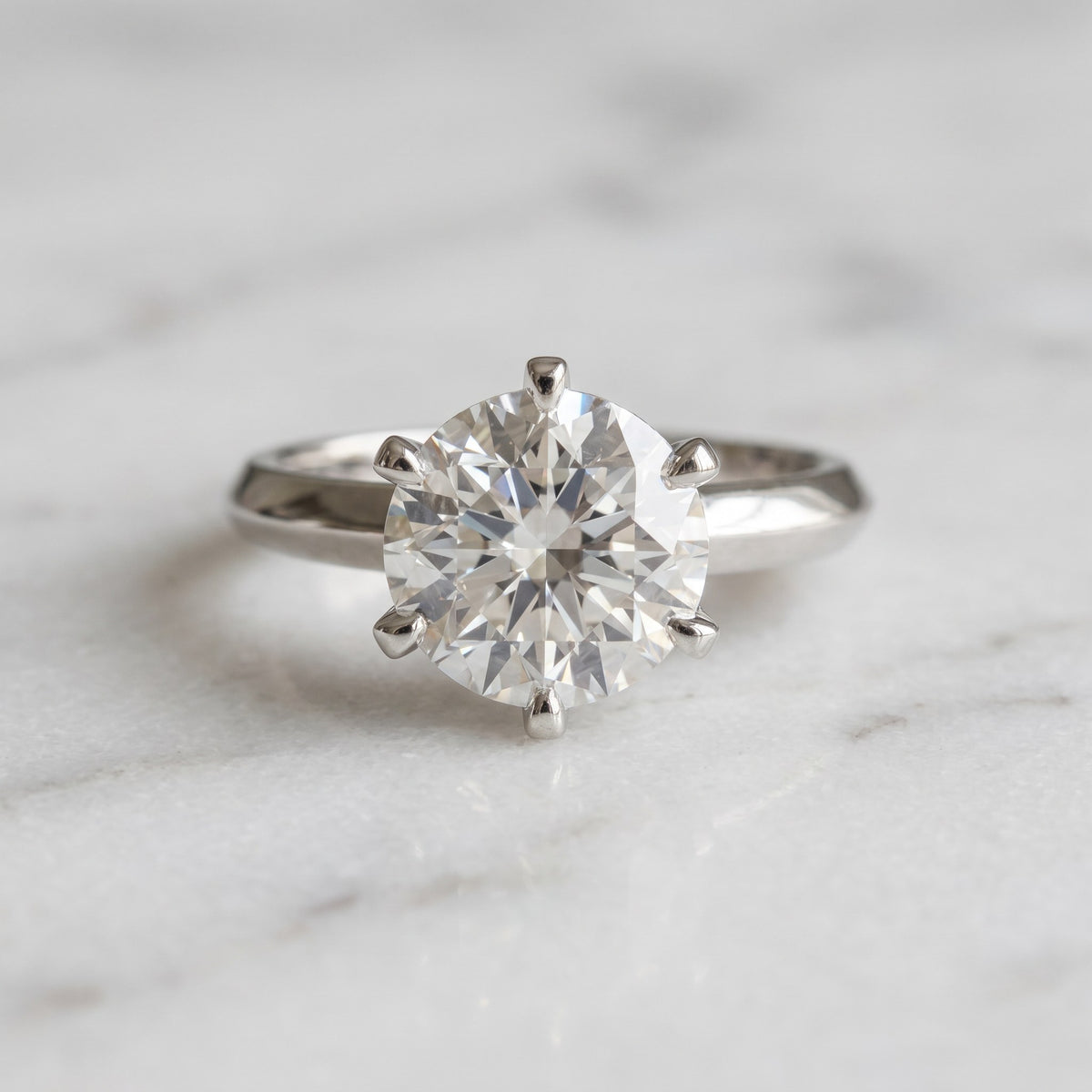 3.05 ct Round Diamond Six-Prong Solitaire Ring in Platinum$44,400
-
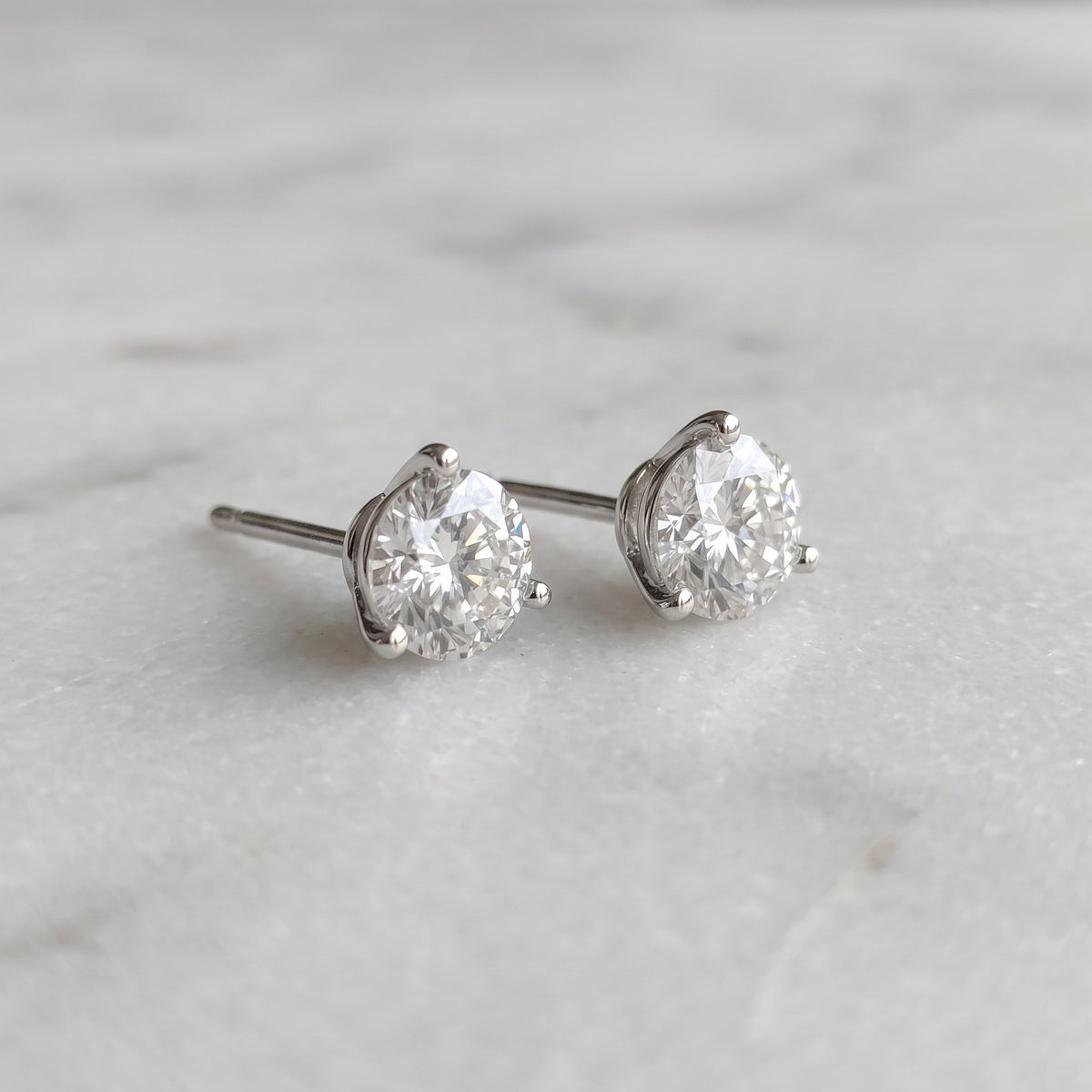 2.40 ct Classic Diamond Stud Earrings in 14K White Gold$23,400
-
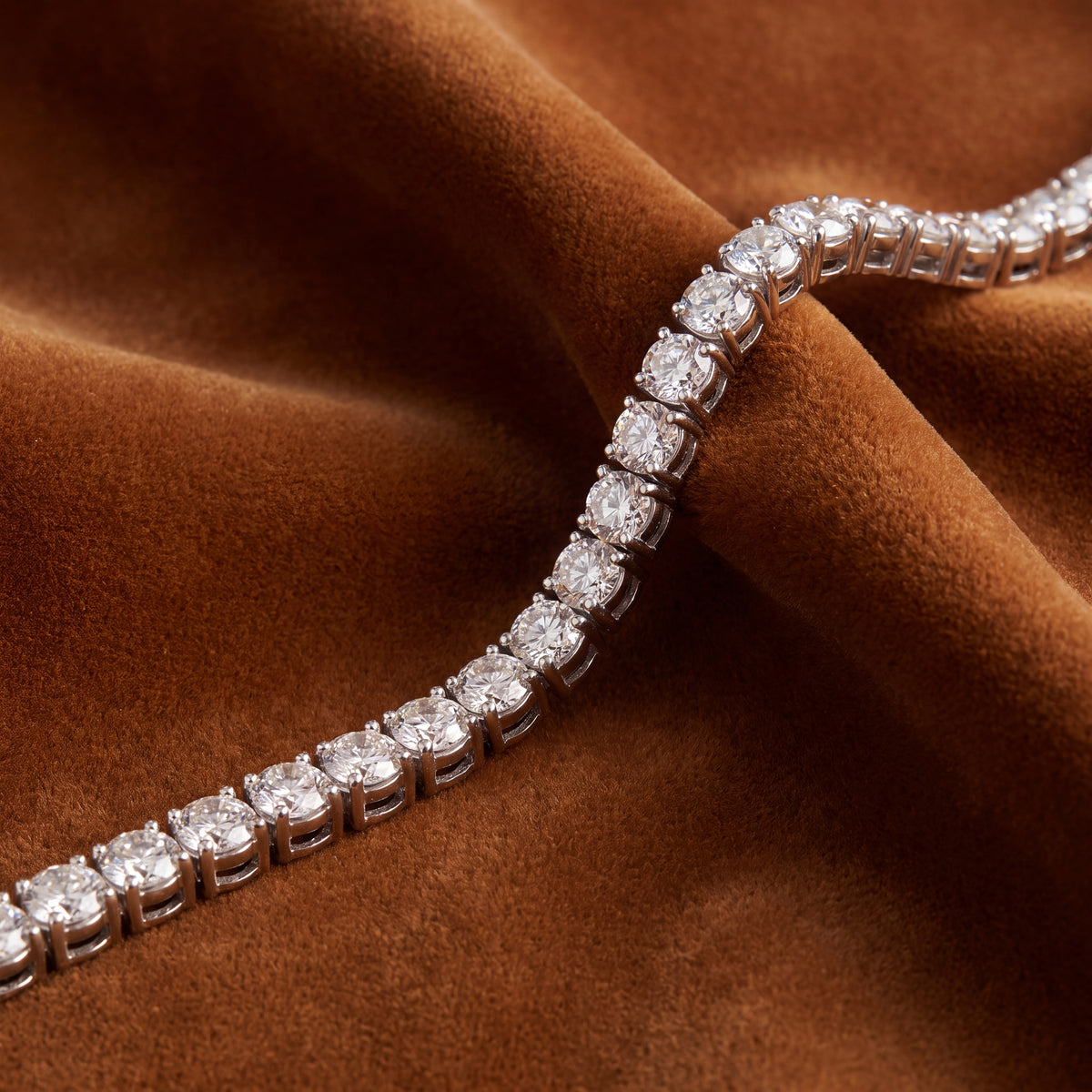 7.20 ct Classic Round Diamond Tennis Bracelet in 14K White Gold$16,426
-
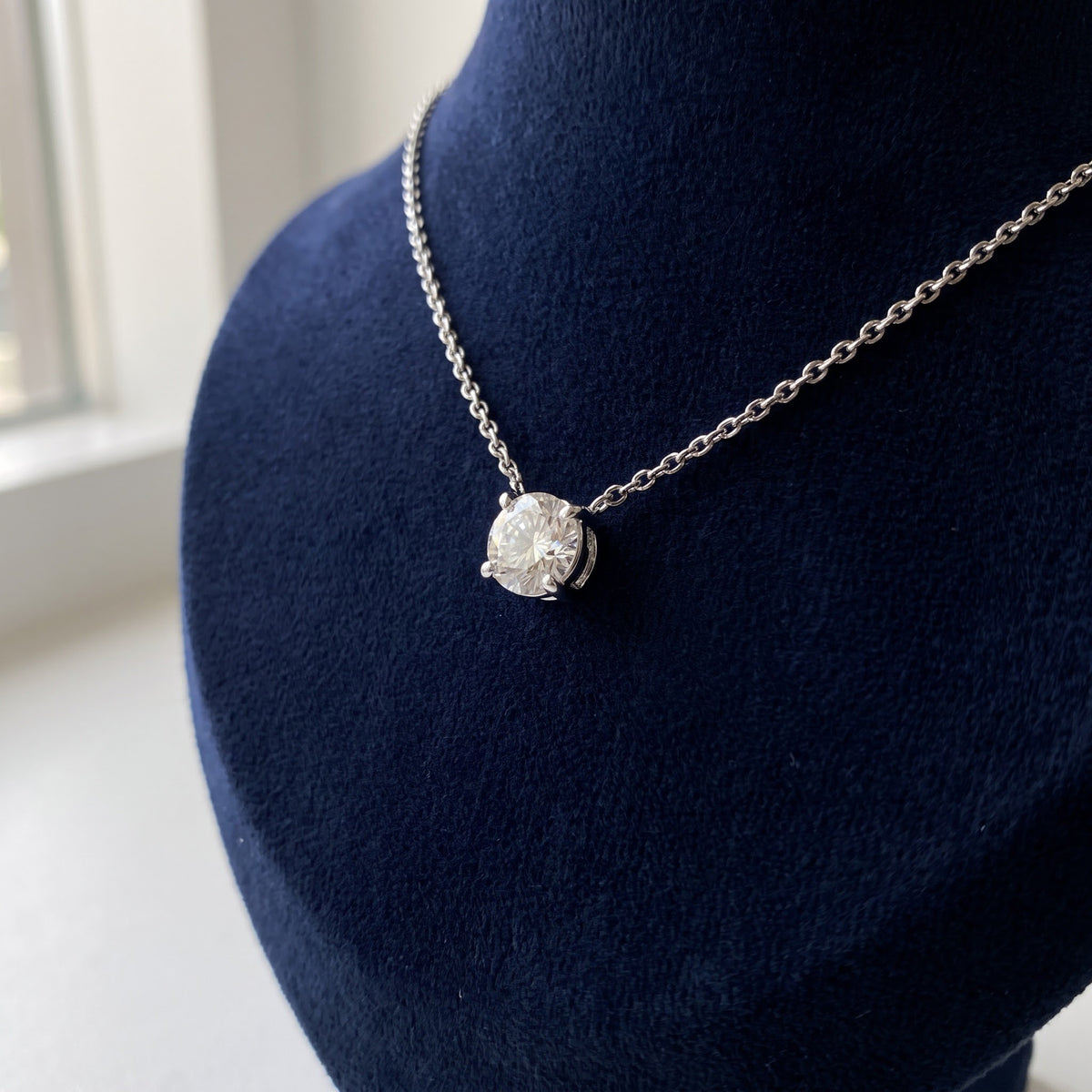 0.71 ct Diamond Solitaire Pendant Necklace in 14K White Gold$3,600
-
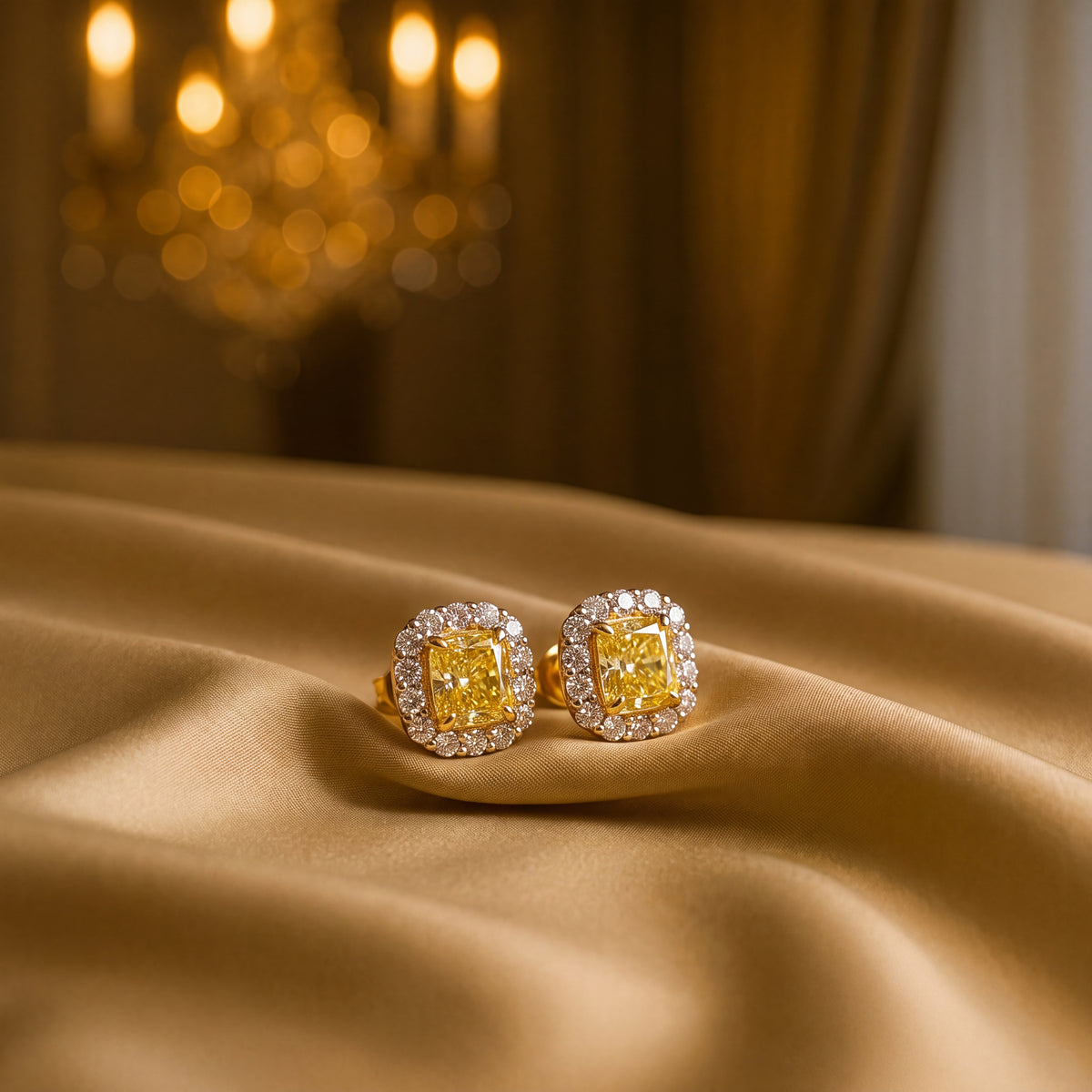 2.03 ct Fancy Intense Yellow Diamond Halo Stud Earrings in 18K White and Yellow Gold$15,750
-
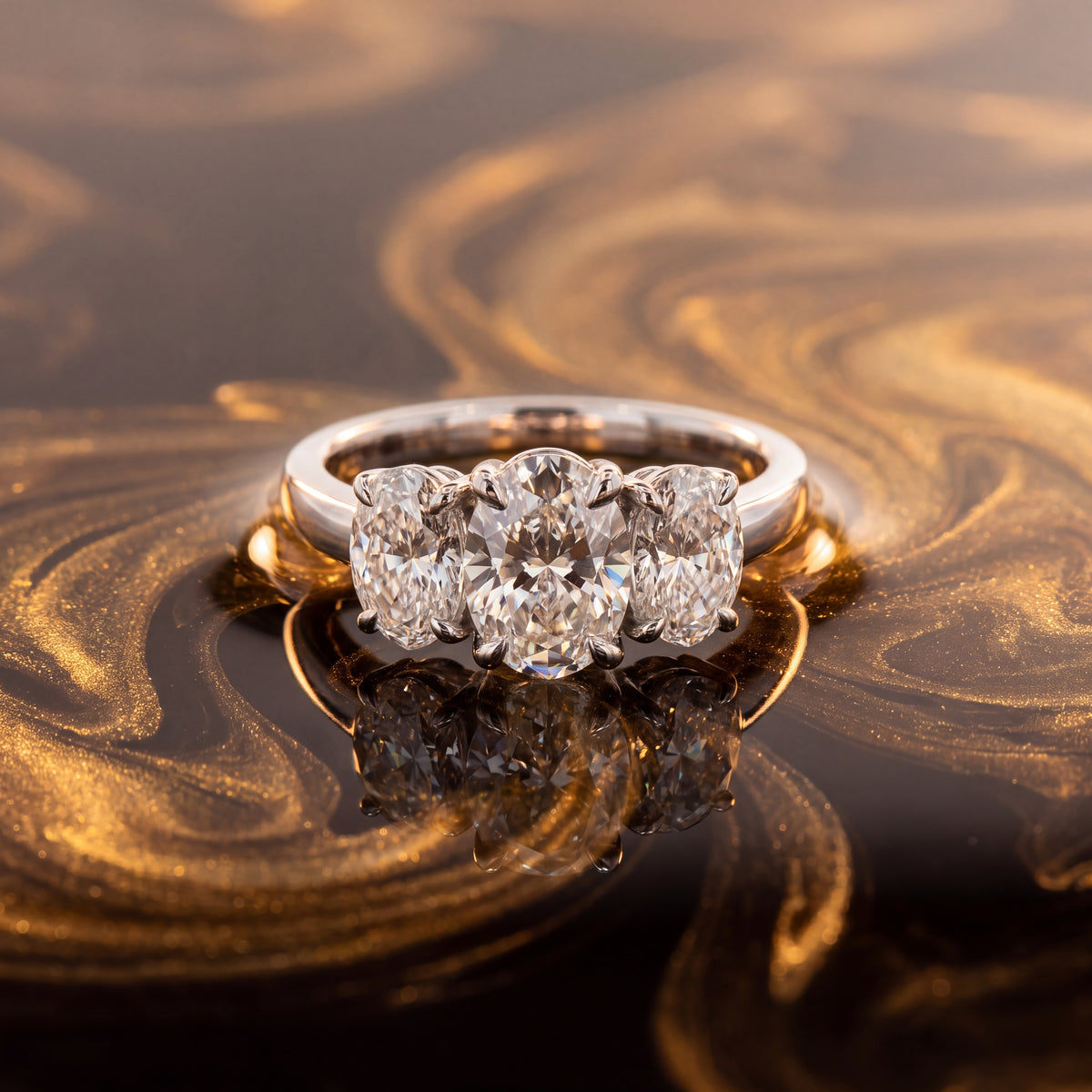 2.20 ct Three-Stone Oval Diamond Ring in 14K White Gold$14,970
Common questions
Are lab-grown diamonds real diamonds?
Yes. GIA says they have essentially the same chemical, physical and optical properties as natural diamonds.
Can you tell a lab-grown diamond from a natural one by eye?
No. It takes lab equipment, and a grading report from a gem lab states which one a diamond is.
Does a seller have to say if a diamond is lab-grown?
Yes. The FTC's Jewelry Guides require a clear word like laboratory-grown placed right before diamond, and words like real, genuine and natural may not be used for a lab-made stone.
How does GIA grade lab-grown diamonds?
Since October 2025, GIA describes lab-grown diamonds as Premium or Standard instead of using the D to Z color scale, and laser-inscribes each one Laboratory-Grown.
Does Greenleaf sell lab-grown diamonds?
None of the pieces on our site are described as laboratory-grown. Ask us about any stone before you buy.
More guides
-
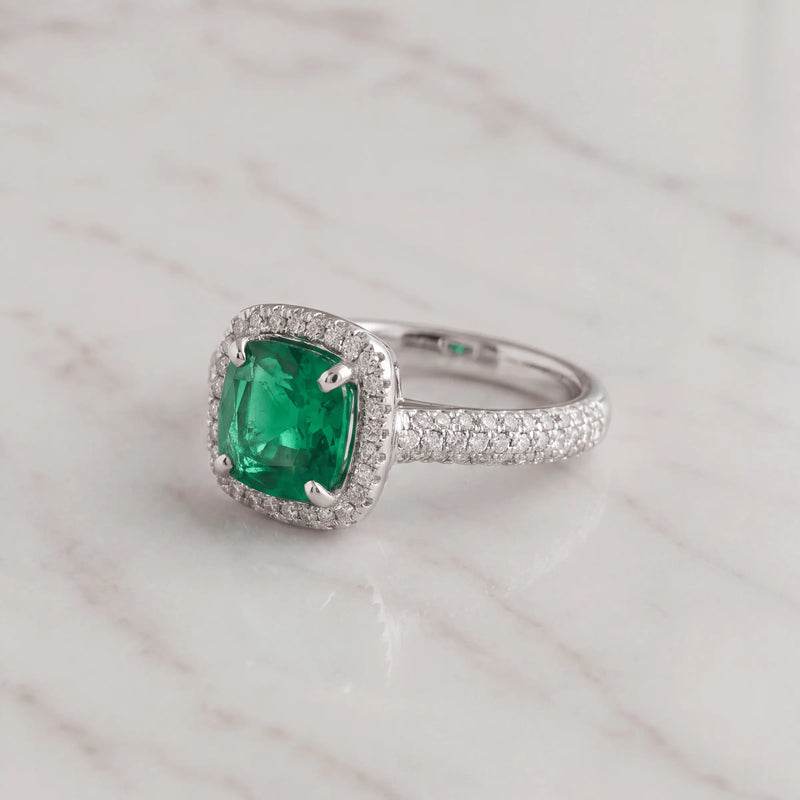 How long does a custom ring take?It depends on the design, the stone and your date, so the timing is agreed with you before any work begins. Tell...
-
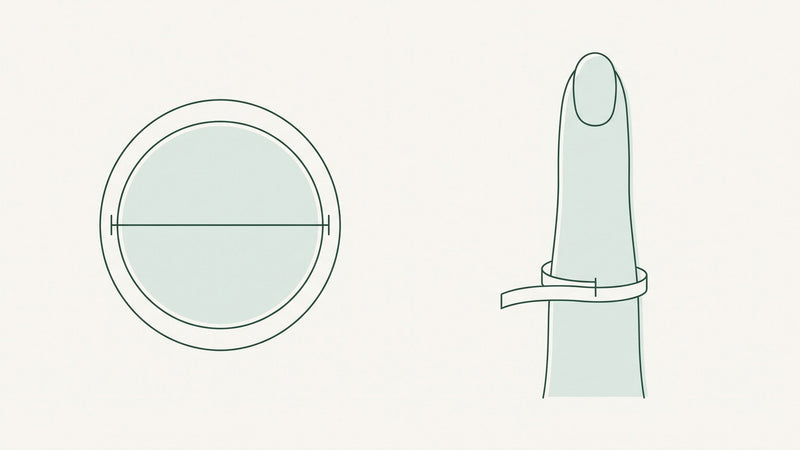 Ring resizing before your flight homeMost rings can be resized, but a ring that feels tight in Maui heat may fit at home, so check the size...
-
 Where to buy an engagement ring in WaileaOur store is in the Shops at Wailea, open daily from 10am to 9pm, and every engagement ring on our site is...
Every piece on our site is in the case at the Shops at Wailea, open daily from 10am–9pm. Come in and try it on, call us at (808) 874-1118, or book a video call from home.